
Getting Sick in Pattaya: Hospitals, Clinics and Pharmacies (2026)
Most Pattaya trips don’t involve a doctor. If yours does, the city has enough private hospitals and pharmacies to handle common tourist problems quickly. Costs are low by Western standards, English is spoken in the main hospitals, and most serious conditions can be treated without a trip to Bangkok.
The catch is that private healthcare in Thailand runs on upfront payment. Expect to provide a deposit or an insurer’s guarantee of payment before admission or non-urgent treatment — and you won’t be discharged until the bill is settled. Start with that fact and everything else follows.
Quick facts (checked October 2026)
- Travel insurance is not optional. Expect to pay a deposit or provide an insurer’s guarantee before admission. A single hospital night runs ฿7,000–฿20,000+. Without insurance, that comes out of your pocket on the spot.
- For minor issues — upset stomach, mild sunburn, headache, insect bites — go straight to a pharmacy. Pharmacists can dispense medicines that require a prescription back home, and many are experienced with tourist complaints.
- Bangkok Hospital Pattaya (Sukhumvit Rd) is the most comprehensive private hospital and the only one in Pattaya with JCI international accreditation. Best for anything serious, but the most expensive.
- Pattaya Memorial Hospital and Pattaya International Hospital handle the bulk of tourist cases and are more affordable.
- Emergency: 1669 (national ambulance), 1155 (Tourist Police, English-speaking).
- For planned dental or cosmetic work, see our Pattaya dental and medical tourism guide — different topic to this one.
Pharmacies: sort the small stuff here first
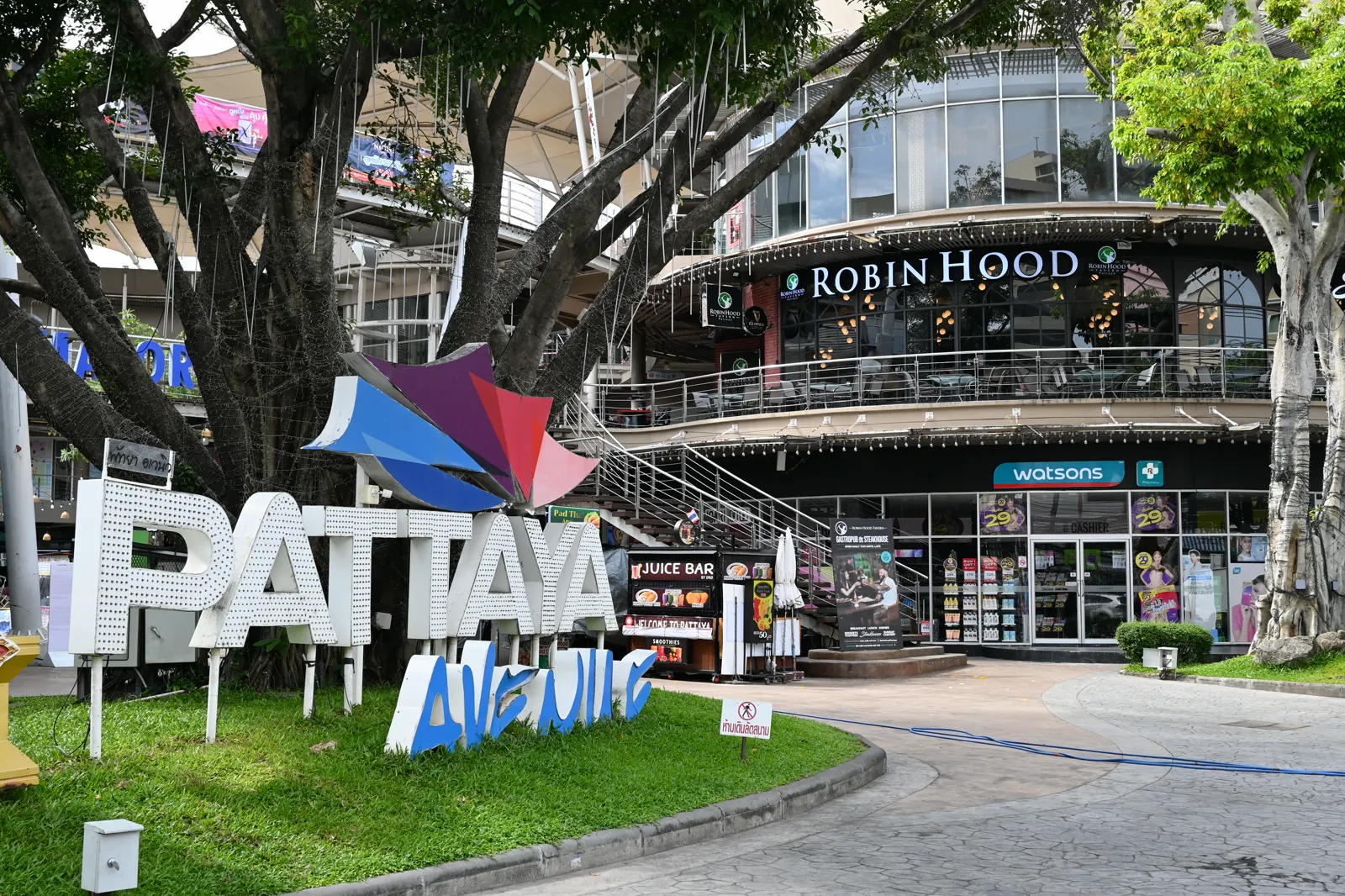
The fastest and cheapest fix for most traveller complaints is the pharmacy. Pattaya has hundreds of them — on Beach Road, Second Road, near every major hotel cluster — and many stay open until 10pm or later.
The main chains for English-speaking tourists:
- Watsons — branches at Central Festival (Level 3), Terminal 21 and Market Place Pattaya. Larger branches have a pharmacist counter (ask for “the pharmacist”), and staff can recommend and dispense both OTC and some prescription medicines. Clean, well-stocked.
- Boots — typically inside the larger malls. Good for branded medicines and health products.
- Fascino — a larger independent pharmacy on North Pattaya Road near Art in Paradise. Range is good, prices competitive.
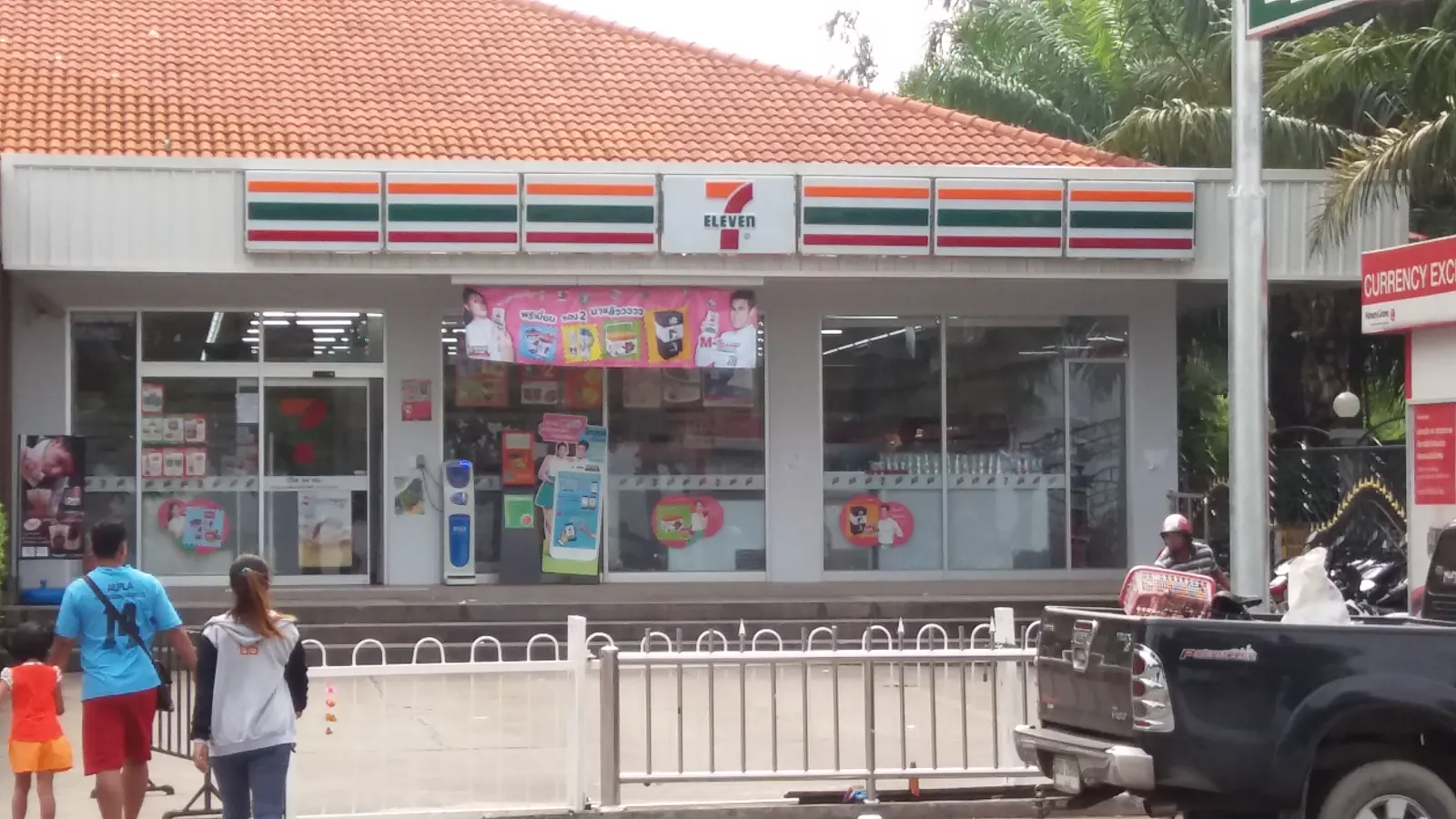
- 7-Eleven and Tops Daily — fine for paracetamol (Panadol), electrolyte sachets, antacids and basic supplies at any hour.
What you can buy OTC in Thailand
Thailand’s pharmacy rules are more relaxed than in most Western countries. Many medicines that require a prescription at home — certain antibiotics, antifungals, stronger antihistamines, anti-diarrhoeal medication — are available over the counter from a licensed pharmacist.
Common tourist requests that pharmacists handle routinely:
- Traveller’s diarrhoea: oral rehydration salts (฿20–฿60 per sachet), loperamide/Imodium. For antibiotics, see a doctor rather than self-prescribing — blood in stool, high fever or severe dehydration means the pharmacy is not the right stop.
- Mild food poisoning: activated charcoal, antiemetics
- Sunburn: aloe vera gel, antihistamine cream, paracetamol
- Fever: paracetamol (฿30–฿80 for a strip), ibuprofen
- Insect bites: antihistamine tablets or cream, calamine
- Hangover basics: electrolytes, paracetamol, Gaviscon equivalent
Prices are significantly lower than in Europe, NZ or Australia. A strip of 10 paracetamol tablets runs about ฿30. Most pharmacists speak enough English to understand what you need — pointing at the affected area generally works too.
If a pharmacist says you need to see a doctor, take that seriously. They’re not upselling — they’re flagging that your problem is beyond OTC treatment.
Red flags that mean go to a hospital, not a pharmacy: chest pain or difficulty breathing, high fever (above 39°C / 102°F) that doesn’t break with paracetamol, blood in stool or urine, severe dehydration (not keeping fluids down), head injury, suspected fracture, animal bite (rabies post-exposure is time-sensitive), suspected dengue fever (sudden high fever, severe headache, pain behind the eyes), loss of consciousness or confusion. Do not drink Pattaya tap water — use sealed bottled water, and use it for brushing teeth too.
Clinics vs hospitals: which to choose
Private clinics (sometimes called polyclinics) sit between the pharmacy and a full hospital. A GP consultation runs ฿500–฿800. Good for: non-emergency infections, persistent stomach issues, minor injuries, needing a prescription. Many are on Second Road or inside the residential areas.
Private hospitals have ERs, diagnostics, specialists and 24-hour cover. Use them for: high fever, suspected fracture, chest pain, severe vomiting or dehydration, any accident requiring imaging or stitches. A hospital consultation starts at ฿1,000–฿2,000 before tests or treatment.
The city’s public hospital (Bang Lamung Hospital) is cheaper but expect long waits, limited English, and a different patient experience. Most tourists go private.
The three main private hospitals
Bangkok Hospital Pattaya
301 Moo 6, Sukhumvit Road, Bang Lamung Tel: (038) 259 999 | Hotline: 1719 (24 hours)
The flagship. Bangkok Hospital is the only JCI-accredited facility in Pattaya — the same international accreditation standard used by the major Bangkok hospitals. English-speaking staff across most departments, fast processing for foreign patients, and the broadest specialist coverage in the city. Used by medical tourists and expats for anything significant.
The tradeoff: it’s noticeably more expensive than the other two. A straightforward ER visit and consultation starts around ฿2,500–฿5,000 before diagnostics. Travel insurance is almost essential here.
Pattaya Memorial Hospital
328/1 Moo 9, Central Pattaya Road, Nongprue Tel: (038) 488 777
A common choice for foreign visitors with routine tourist problems. Strong track record with stomach illness, accidents, and sun-related cases, and many international travel insurers work with it — some offer direct billing. English is spoken in the main departments. Costs are meaningfully lower than Bangkok Hospital. Initial assessment and meds for a common tourist complaint typically comes to ฿2,500–฿3,500 for a foreigner.
Pattaya International Hospital
255/4 Moo 9, Soi Pattaya 4, Second Road, Nongprue Tel: (038) 428 374
On Second Road close to the central tourist areas. More affordable, quick turnaround for straightforward cases, English-speaking doctors. Good option if you’re staying in central Pattaya and need attention quickly. A GP consultation here typically runs ฿1,000–฿1,500.
What things cost: a realistic breakdown
These are real ranges for foreign patients at Pattaya private hospitals and clinics in 2026. Exact costs vary by hospital and how complex your case is.
| What you need | Typical cost |
|---|---|
| Pharmacy OTC medicine | ฿30–฿300 |
| GP at a private clinic | ฿500–฿800 |
| Hospital outpatient consultation | ฿1,000–฿2,000 |
| ER facility fee (before treatment) | ฿2,000–฿5,000 |
| Food poisoning: consult + meds | ฿2,500–฿4,500 |
| IV rehydration drip | ฿2,500–฿5,000 |
| X-ray | ฿800–฿2,000 |
| Blood test panel | ฿1,500–฿4,000 |
| One night in hospital (room + basic care) | ฿7,000–฿20,000+ |
Private hospitals require a deposit before treatment and payment before discharge. Do not hand over your passport as collateral — give a photocopy if a deposit isn’t sufficient. If you can’t pay and discharge becomes a dispute, call your insurer’s emergency line or contact Tourist Police (1155) or your embassy. If you’re uninsured, settle the bill directly before leaving.
Emergency numbers
| Service | Number |
|---|---|
| National ambulance (EMS) | 1669 |
| Tourist Police (English-speaking) | 1155 |
| Police | 191 |
| Bangkok Hospital Pattaya (24hr) | (038) 259 999 |
| Pattaya Memorial Hospital | (038) 488 777 |
For 1669, the call centre sometimes has limited English — if you can’t communicate clearly, call 1155 (Tourist Police) first and ask them to assist with coordinating an ambulance. It adds a minute but works reliably.
If you’re staying in a hotel, the front desk can also call an ambulance and sometimes knows which hospital handles your insurance directly. Use that resource.
Our Pattaya scams guide covers the inflated-bill scam at certain hospitals and clinics — worth reading before you need it, not after.
Travel insurance: the thing that matters most
Thailand’s private healthcare is cheap by Western standards but not free. A straightforward visit for food poisoning — consult, IV drip, meds — runs ฿5,000–฿8,000. A night in hospital takes that to ฿15,000+. A serious accident with surgery can be ฿500,000 or more.
Without travel insurance, you pay all of that out of pocket, upfront. The hospital won’t bill you later.
What to do before you arrive:
- Check whether your policy covers Thailand and what the medical limit is. Anything under NZD $200,000 is on the low side for serious cases.
- Save your insurer’s emergency line in your phone, not just in your email.
- Carry a printed summary of your policy with the claim number. If you’re admitted, give this to the admissions desk immediately — some insurers do direct billing, which means you never see the bill.
- Keep all receipts. The hospital will give you an itemised invoice; photograph it.
Direct billing (where the hospital bills your insurer directly) may be available at Bangkok Hospital Pattaya and Pattaya Memorial — confirm it at admissions and have your policy number and insurer’s emergency line ready. It’s not guaranteed: it depends on your insurer, your policy, the diagnosis, and exclusions. Motorbike accidents without a valid licence and alcohol-related incidents are commonly excluded. At smaller clinics, expect to pay upfront and claim later.
For questions about paying for things in Pattaya more broadly, the Pattaya money guide has the full picture on cash, ATMs and card use.
FAQ
Which hospital should I go to in Pattaya as a tourist?
For anything serious or where your travel insurance is involved, Bangkok Hospital Pattaya (JCI-accredited, Sukhumvit Rd) is the safest choice. For most routine tourist cases — stomach illness, mild infection, minor injury — Pattaya Memorial Hospital (Central Pattaya Rd) is the practical option: solid care, accepted by most insurers, cheaper than Bangkok Hospital.
What’s the emergency number?
1669 for an ambulance. 1155 for the Tourist Police, who speak English and can coordinate emergency services if the language barrier is an issue. Bangkok Hospital’s own 24-hour line is 1719.
Can I buy antibiotics over the counter?
Many antibiotics are available OTC from a licensed Thai pharmacist — but don’t self-prescribe for serious symptoms. Blood in stool, high fever, severe dehydration, suspected dengue or an animal bite all need a doctor, not a pharmacist. For mild traveller’s diarrhoea or a clear skin infection, a Watsons or Boots pharmacist can advise. Independent street pharmacies vary more in quality.
How much will it cost?
A basic clinic visit runs ฿500–฿800. A hospital consultation ฿1,000–฿2,000. Food poisoning with IV fluids: ฿5,000–฿8,000. A night in hospital: ฿7,000–฿20,000+. Travel insurance absorbs the bulk of this — without it, you’re paying upfront at the door.
Do the hospitals accept travel insurance?
Bangkok Hospital Pattaya and Pattaya Memorial work with most major international travel insurers and offer direct billing for many of them. Confirm direct billing when you arrive at admissions — have your policy details and emergency claim number ready. Smaller clinics typically require cash or card payment and a later reimbursement claim.
By area: Bangkok Hospital Pattaya is on Sukhumvit Road, closest to North Pattaya and Naklua. Pattaya Memorial is on Central Pattaya Road, central for Walking Street, Soi 6 and most beach hotels. Pattaya International Hospital is on Second Road in central Pattaya. From Jomtien, Pattaya Memorial (15–20 min by Grab) is the practical choice unless Bangkok Hospital’s facilities are needed.
Motorbike accidents: check your travel insurance policy before renting a scooter. Most policies exclude accidents if you don’t hold a valid motorcycle licence, or if alcohol is involved. The first-timers guide has the scooter safety warning in full.
For general Pattaya planning, the first-timers guide covers money, getting around and staying safe.