


Getting Around Pattaya: Baht Bus, Grab, Scooter & Walking (2026)
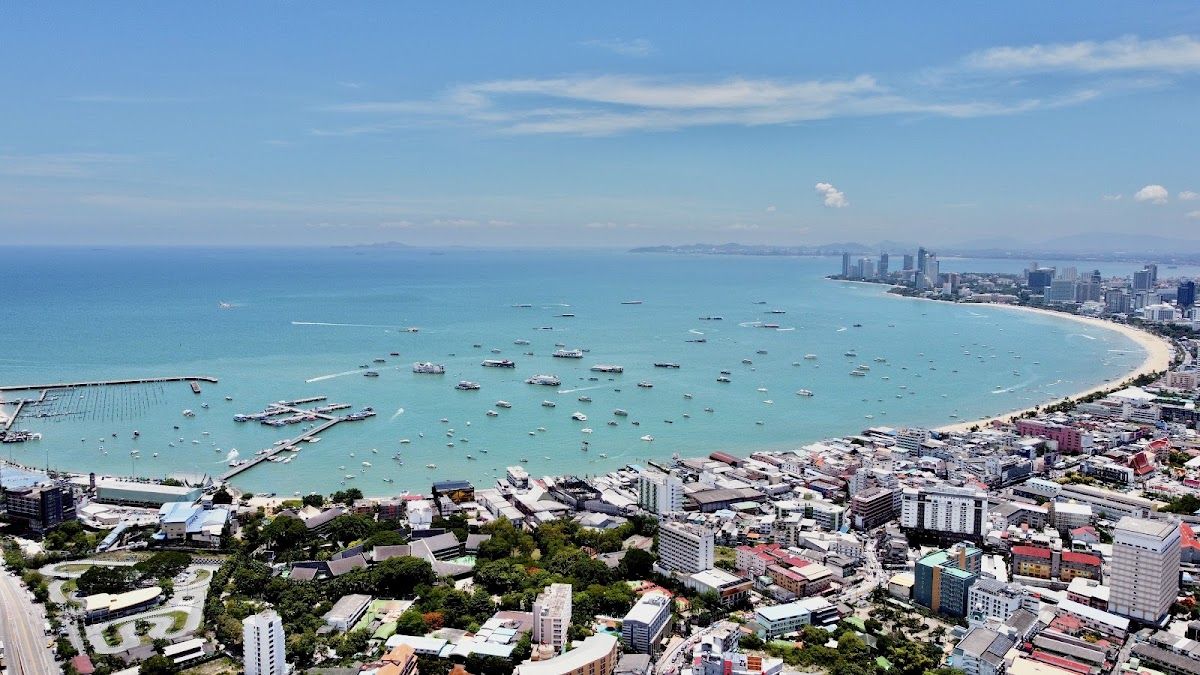
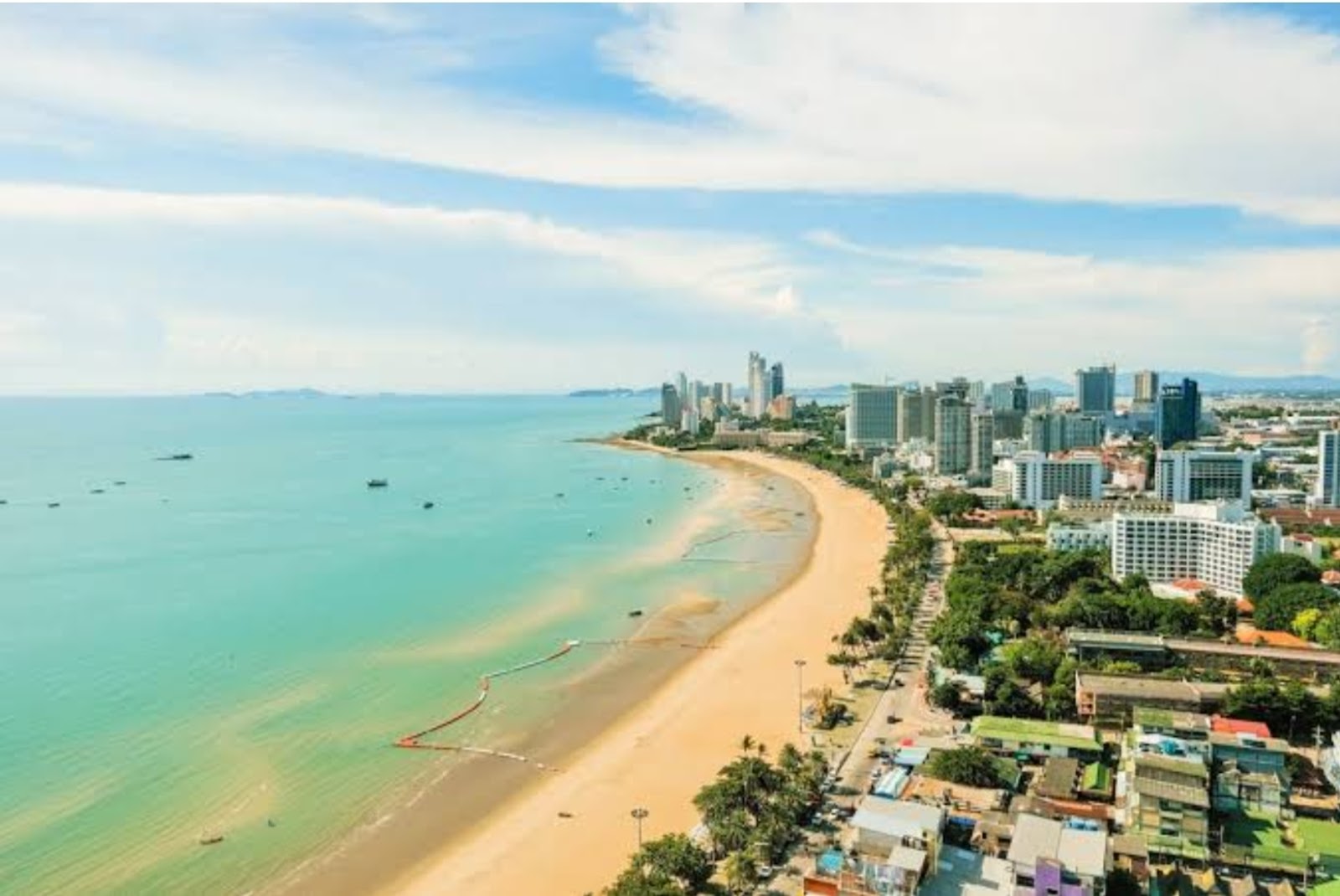
Pattaya is not a walking city. The beach strip alone runs 4km, Jomtien is another 5km south, and Naklua sits roughly 5km north of the centre. You need a plan. The good news is that the baht bus handles most of the central loop for loose change, and once you know one rule — never ask the price before you board — the whole thing clicks.
If you haven’t sorted cash, a SIM, or where to stay yet, the Pattaya first-timers guide is where to start.
Quick facts (checked October 2026)
- Baht bus: ฿15 for trips up to 10 km, ฿20 beyond that, from 10 April 2026 (Pattaya Mail, 16 April 2026). Board, ride, pay when you get off.
- Grab or Bolt for anywhere the baht bus doesn’t reach, late nights, and anything with bags. Short trips ฿60–฿150; Bolt runs 10–20% cheaper than Grab on the same route.
- Scooters from ฿200–฿350/day. You need a valid motorcycle licence and travel insurance that covers bikes. Film it before you ride.
- Metered taxis exist; some use the meter honestly. Grab is less hassle.
- Walking works along Beach Road in the evening. Past noon, anything over 15 minutes in that heat is a poor choice.
Transport at a glance
| Mode | Cost per trip | Best for | Watch out for |
|---|---|---|---|
| Baht bus (songthaew) | ฿15 up to 10 km, ฿20 after that | The Beach Road / Second Road loop, plus Jomtien and Naklua | Never ask the price first. That turns it into a charter |
| Motorbike taxi (win) | ฿40–฿80 | Short solo hops, long sois | Agree fare before you get on |
| Grab | ฿80–฿250 | Anywhere, late nights, bags | Surge in heavy rain |
| Bolt | ฿60–฿200 | Same routes, cheaper | Fewer drivers at peak times |
| Scooter hire | ฿200–฿350/day | Wide exploration, flexibility | Licence/insurance risk |
| Metered taxi | ฿100–฿400 | Airports, long trips with bags | Some refuse the meter |
| Tuk-tuk | Rare in Pattaya | N/A | Hard to find; not reliable |
| Walking | Free | Beach Road evenings | Too hot midday; city is spread out |
The baht bus — the main game
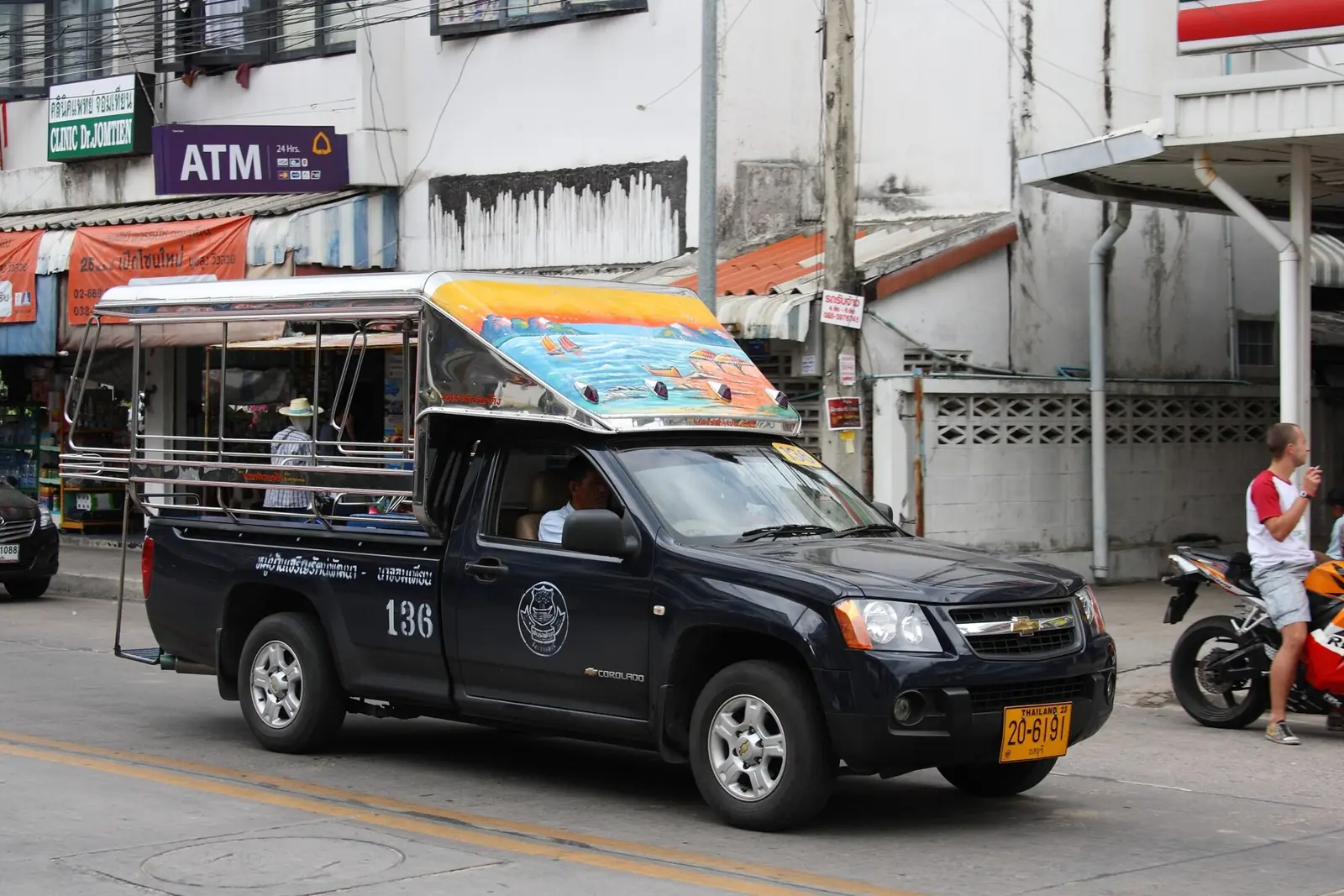
The blue pickup trucks are called songthaew (roughly “song-tao”), though everyone in Pattaya just says baht bus. They are the backbone of getting around, and recent visitor accounts rarely use anything else for central trips. They run a one-way loop: south along Beach Road, back north on Second Road. Branch routes peel off to Jomtien (south) and Naklua (north).
The 2026 fare: From 10 April 2026 the shared fare is ฿15 for 1–10 km and ฿20 beyond that (Pattaya Mail, 16 April 2026). It was ฿10 for about 30 years. Jomtien from central Pattaya is inside 10 km, so the posted fare is ฿15, not a special ฿20 Jomtien rate. Some drivers still ask ฿20. Carry ฿10 and ฿20 notes. A ฿100 note for a ฿15 ride will not make you popular.
How to ride: Flag down a truck already heading your direction and climb into the back. When you’re at your stop, press the buzzer on the roof, hop out, and pass the fare through the driver’s side window. The driver won’t call stops — you watch where you are.
The one rule that matters: Do not walk up and ask “how much to X?” The second you do that, you’re being quoted for a private charter — expect ฿100–฿300 for a ride that should cost ฿15. Just board a moving truck going your direction and pay the flat fare when you get off.
Jomtien: On Second Road, stand with your back to the beach and take a truck going left (south, past Walking Street). It goes through Pattaya Tai and out to Jomtien Beach. About 20–30 minutes. Pay the distance fare, ฿15 if you are inside 10 km.
Naklua: On Second Road, take a truck going right (north), toward the Dolphin Roundabout. About 15 minutes to central Naklua. Same distance rule.
The main loop runs until around midnight. It thins out after 10pm but doesn’t stop.
Grab and Bolt
When the baht bus won’t get you there — late night, bags in tow, somewhere off the main loop — open Grab or Bolt. Both work well in Pattaya, and you get a fixed price before you commit, which cuts out any back-and-forth.
Grab has the most drivers and the quickest pickups. Short hops across town run ฿80–฿150. Central Pattaya to Jomtien is typically ฿150–฿250 depending on the time and demand.
Bolt covers the same routes and is usually ฿20–฿50 cheaper than Grab on an identical trip. Comparing both apps before confirming is worth it, especially for longer distances. Maxim and InDrive are also active in Pattaya and can go cheaper still — InDrive lets you name your price and negotiate, which works if you already know what a fair rate looks like.
You need data and a local number to use these apps. Sort a SIM or eSIM as soon as you land — AIS and TrueMove sell tourist packages from about ฿300 at the airport arrivals counters. Leave without one and you’re stuck waiting on street options.
Cash note: Whatever transport you’re using, carry small notes. Baht bus drivers won’t enjoy breaking a ฿1,000 note for a ฿15 fare, and motorbike taxis don’t carry much change either. Break big notes at any 7-Eleven before you need them. Thai ATMs charge foreign cards a flat ฿220 fee per withdrawal — take out a decent amount at once.
Metered taxis are around, mostly near big hotels and on Beach Road. Some use the meter honestly; others quote a flat rate that’s usually above the app price. If the fixed fare sounds reasonable, fine — but Grab or Bolt is easier for most trips.
Scooters and motorbikes
Scooter hire is available on nearly every tourist street. A standard automatic — Honda Click, Yamaha NMAX — rents for ฿200–฿350 a day, dropping to ฿1,200–฿2,200 per week. You hand over your passport or a deposit; established shops are generally fine, random vendors on side streets less so.
Three things that go wrong:
The damage scam. You return the bike and there’s a scratch that “wasn’t there before.” Film the bike thoroughly before you move it — front, sides, back, underneath — with the operator watching if you can. A quick glance is not enough.
The insurance problem. Crash without a valid motorcycle licence and your travel insurer almost certainly won’t pay. Thai driving licences and most international driving permits cover cars, not motorcycles. The rental shop won’t check; your insurer will. Read your policy before you hand over a deposit.
The traffic. Pattaya roads are fast and rules are followed loosely. Police checkpoints happen — carry your licence and passport copy, wear the helmet. An on-the-spot fine for no helmet or missing documents runs ฿500–฿1,000.
A scooter makes sense when you’re exploring further out — getting to Nong Nooch Tropical Garden (15km south) or reaching the Koh Larn ferry pier on your own schedule. For the central Beach Road loop, the baht bus is less hassle.
Motorbike taxis (win motosai)
The men in coloured vests sitting on bikes at the end of every soi are motorbike taxis (win motosai). Useful for exactly two situations: short solo hops, and getting down a long side street when the baht bus won’t turn in. Expect ฿40–฿80 for a short trip. Agree the fare before you get on. Wear the helmet — there usually is one.
Not useful for luggage or groups. But for a solo five-minute run down a soi to your guesthouse, they’re faster than waiting for a truck and cheaper than opening an app.
Tuk-tuks
Barely exist in Pattaya as practical transport, unlike Bangkok or Chiang Mai. You might spot one on Beach Road but they’re not reliable enough to plan around. If one appears and the price is right, fine — just don’t count on finding one when you actually need it.
Walking
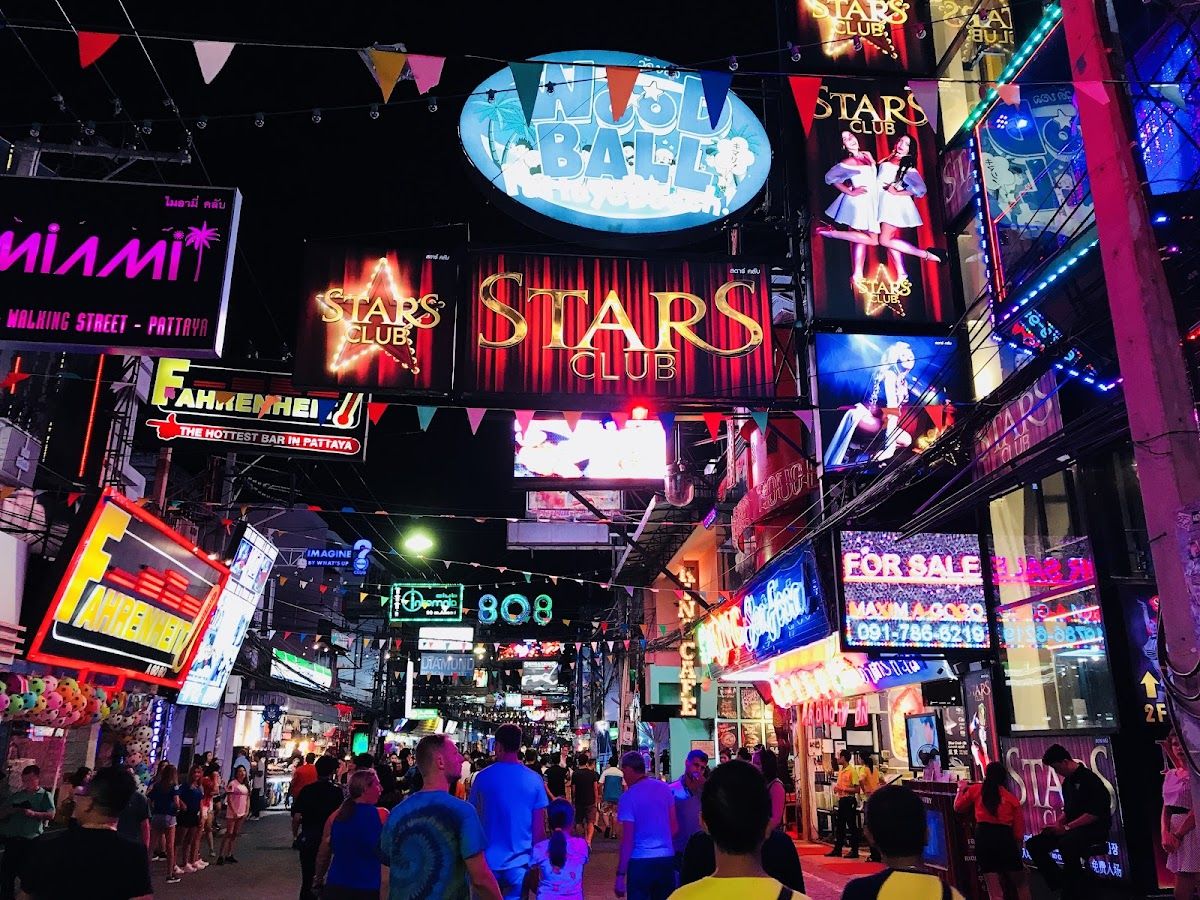
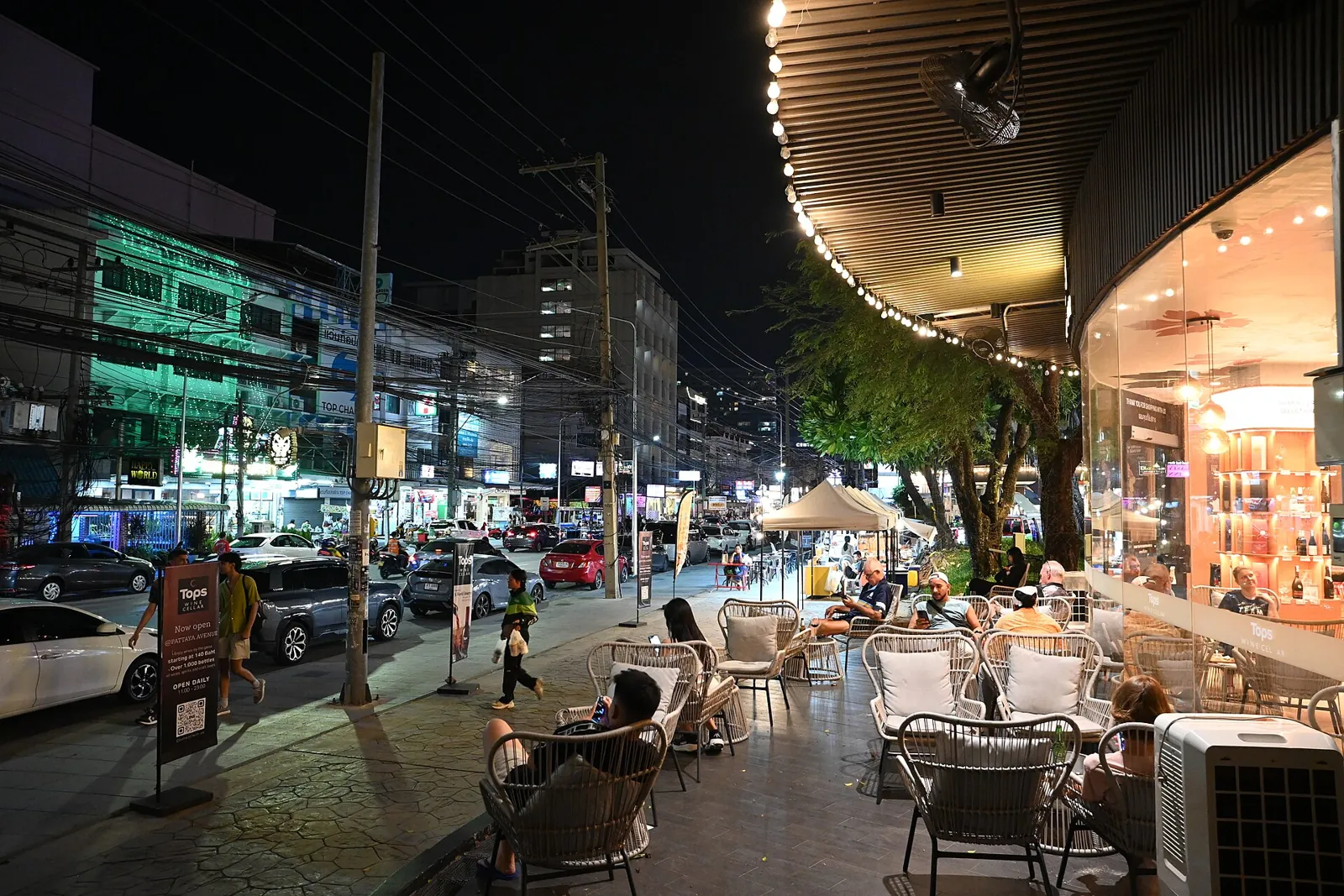
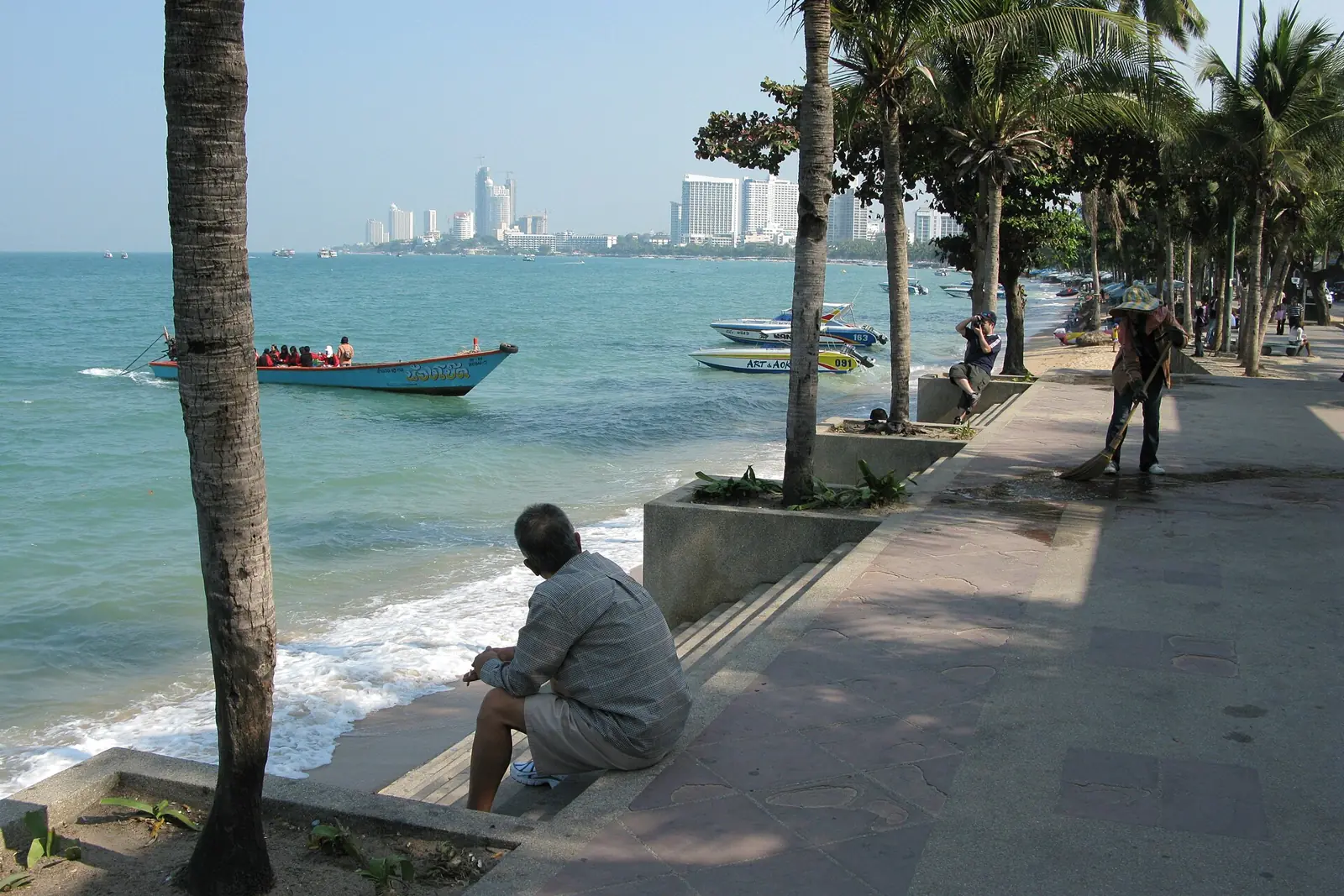
Pattaya is not built for walking in the midday heat (30–35°C most of the year). But the evening seafront is worth it. Beach Road from the northern end down through central Pattaya to the Walking Street junction is about 3km of promenade — bay on one side, a steady stream of street food and cold drink stalls on the other. Between 5pm and 10pm, once the temperature drops to something manageable, it’s one of the better evening walks of any Thai beach city, based on the promenade’s layout and recent visitor accounts.
Second Road is functional but loud. Short stretches between points, fine. Not somewhere to wander for pleasure.
If you’re based in Jomtien, the beach road there is quieter and equally walkable — a better evening option if you want less noise. The Jomtien Beach guide covers the strip from end to end.
Watch: riding the baht bus like a local
Getting around the wider area
The baht bus won’t cut it for day trips. Getting to the Koh Larn ferry at Bali Hai Pier on the southern end of Beach Road is straightforward — baht buses pass close, or a Grab runs ฿80–฿120 from the centre. Nong Nooch Tropical Garden (15km south) and further out are easiest by scooter or Grab with the destination set in the app. Full logistics for the most popular routes are in the Pattaya day trips guide.
What it all costs: Most people staying in central Pattaya for a week spend ฿100–฿300/day on transport if they lean on the baht bus. Switching entirely to Grab roughly doubles that. A week on a scooter (฿1,200–฿2,200 plus petrol) makes sense if you’re out exploring every day; otherwise it’s not worth the faff. The Pattaya budget guide breaks out all the daily costs if you’re doing the planning now.
For day trips beyond the baht bus routes, a hire car can be simpler than a driver for the day. DiscoverCars compares rental firms in Pattaya, and its Pattaya page showed an average of US$29 a day (checked 13 Oct 2026). Thailand drives on the left, and you need a 1968 International Driving Permit with your home licence (GOV.UK). Compare Pattaya car hire on DiscoverCars
FAQ: Getting around Pattaya
How much is the baht bus in 2026?
From 10 April 2026 it is ฿15 for 1–10 km and ฿20 after that (Pattaya Mail, 16 April 2026). Jomtien and Naklua from the centre are inside 10 km, so the posted fare is ฿15. Some drivers still ask ฿20. Pay at the window when you get off. Ask the price before you board and you are bargaining a private charter, often ฿100 or more.
Is Grab or Bolt cheaper?
Bolt is typically 10–20% cheaper than Grab on the same route. Open both apps before confirming, especially for longer trips.
Can I rent a scooter without a motorcycle licence?
Shops usually hand over the keys without checking, but riding without a proper licence is illegal and will likely void your travel insurance if you crash. Check your policy before you rent.
What’s the cheapest way to get around?
Baht bus at ฿15–฿20 a ride. For the central Beach Road and Second Road loop, it covers everything you need in the daytime and early evening.
How do I get to Jomtien from central Pattaya?
Baht bus (posted fare ฿15, about 20–30 min) or Grab/Bolt (฿150–฿250, 15–20 min). Take the truck unless you are late or the loop has already thinned out.