
Dental and Medical Tourism in Pattaya: Honest 2026 Guide
Pattaya isn’t a medical tourism hub in the Bangkok or Chiang Mai sense, but it has two things going for it: a cluster of solid dental clinics that serve expats and long-stay visitors year-round, and a JCI-accredited hospital that wouldn’t be out of place in a mid-sized Western city. If you need significant dental work and you’re already coming to Thailand, getting it done here makes financial sense. If you’re travelling specifically for complex surgery, you’ll need to do more homework than this guide covers — but this is the honest baseline.
Quick facts (checked October 2026)
- Dental implants start at around ฿30,000 for the post; a complete implant with zirconia crown runs ฿45,000–฿65,000 per tooth. That’s 55–70% less than the same work in Australia or New Zealand.
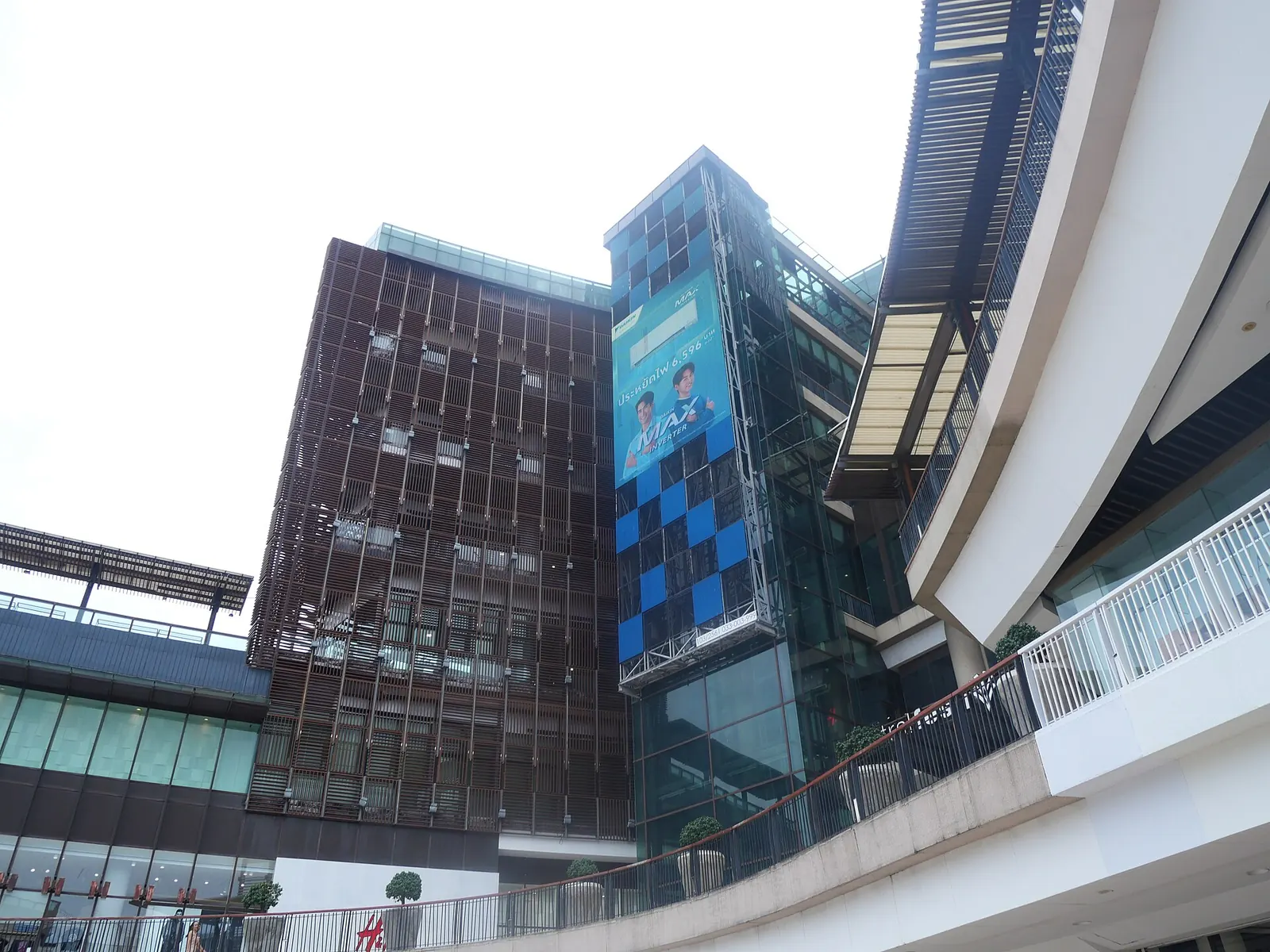
- Three clinics cater specifically to foreign patients: Doctor Smile, Dentist @ Beach (inside Central Festival), and Pattaya International Dental Center (PIDC). All have English-speaking staff and published price lists.
- Bangkok Hospital Pattaya is the only JCI-accredited private hospital in Pattaya. It’s where expats and medical tourists go for anything beyond a walk-in clinic visit.
- Full implant treatment takes two trips — post placement first, crown fitting 3–5 months later. Budget for two flights and two stays.
- Recovery matters. Beach days and full sun aren’t ideal post-procedure. Build downtime into your itinerary.
What Pattaya actually offers
Pattaya’s medical tourism offer divides into two categories: dental work and private hospital care.
Dental is where the city punches above its weight. A large expat and retiree population — plus a steady stream of tourists — means the clinics have been treating foreign patients for years. Standards are high, most dentists trained overseas or have internationally-qualified staff, and the price difference versus home countries is real.
Private hospital care is a different story. Bangkok and Chiang Mai have more specialist hospitals, but Bangkok Hospital Pattaya covers the main bases: cardiac work, orthopaedics, plastic surgery, and full health screenings. If you need something very specific or highly specialised, you’ll be referred to Bangkok. For standard procedures done well, with international accreditation and English-speaking doctors, Pattaya is more than adequate.
Dental clinics: what you pay and where to go
Three clinics stand out for foreign patients:
Doctor Smile Dental Clinic
111/72 South Pattaya Road, open 10am–8pm daily. The longest-established English-friendly clinic in town. Prices are published on their website — a good sign, since clinics that won’t quote online often charge more at the chair.
| Treatment | THB |
|---|---|
| Dental implant + crown | ฿30,000–฿50,000 |
| Zirconia crown | ฿9,500–฿16,000 |
| Root canal (molar) | ฿6,000–฿13,000 |
| Whitening | ฿3,900–฿4,999 |
| Check-up + clean | ฿800–฿1,500 |
Dentist @ Beach
| Treatment | THB |
|---|---|
| Single implant + crown | ฿40,000–฿50,000 |
| All-on-4 (per arch) | ฿200,000–฿250,000 |
| Zirconia crown | ฿10,000–฿17,000 |
| Root canal (molar) | ฿10,000–฿13,000 |
| Whitening (cool-light) | ฿3,999 |
| Cleaning | ฿1,000–฿1,800 |
Pattaya International Dental Center (PIDC)
210/26 Moo 9, Nongprue, open 10am–8pm. Uses premium implant brands (Straumann, Osstem, Dentium) with 3D CT scanning for implant planning. The implant surgery fee is separate from the prosthesis: Osstem/Dentium posts start at ฿30,000, Straumann at ฿40,000, with crowns priced at ฿15,000–฿20,000 on top.
Bangkok Hospital Pattaya: the hospital to know
301 Sukhumvit Road, Ban Lamung. Joint Commission International (JCI) accredited — first in 2009, re-accredited in 2012, 2015, and most recently 2022. That accreditation is the international benchmark: the hospital has to meet over 1,200 patient-safety standards to keep it.
It has 300 beds, an advanced cardiac centre, neuroscience unit, orthopaedics, plastic surgery, and a full emergency department. Around 40% of its patients are international — expats and visitors. English is spoken throughout, with interpreters available for 20-odd other languages.
For most situations a tourist or shorter-stay visitor encounters — a scooter fracture, a suspected appendix, a cardiac event, or a planned health check — Bangkok Hospital Pattaya is where you want to be. It’s significantly more expensive than local Thai hospitals, but prices are still well below the equivalent in New Zealand or Australia.
Health check packages are a popular draw for medical tourists. A full executive health screen — blood panel, heart function, imaging, and cancer markers — runs roughly ฿8,000–฿25,000 depending on the scope, versus NZ$3,000–NZ$8,000+ at home.
Pattaya International Hospital on Soi 4 is a second option for walk-in and general care, though it doesn’t hold JCI accreditation. Fine for minor things; Bangkok Hospital Pattaya for anything you’d lose sleep over.
How much do you actually save?
The savings are real — but so is the cost of getting here. A rough comparison for a single dental implant with crown:
| Country | Approximate cost |
|---|---|
| New Zealand | NZ$5,000–NZ$7,500 |
| Australia | AU$5,500–AU$8,000 |
| United Kingdom | £2,500–£4,000 |
| Pattaya, Thailand | ฿45,000–฿65,000 (~NZ$2,000–NZ$2,900) |
A return flight Auckland–Bangkok runs roughly NZ$1,200–NZ$1,800 in economy. Add accommodation for a week and you’re still clearly ahead on a single implant. For multiple implants the maths becomes more compelling. For All-on-4 work — AU$25,000+ in Australia versus ฿200,000–฿250,000 (~AU$8,600–AU$10,700) here — the saving is substantial even after two trips and all flights.
One point to be clear on: implant work requires two visits spaced 3–5 months apart. The post goes in first, then osseointegration takes a few months, then the crown is fitted on a return trip. Budget accordingly.
Practical planning
Get a consultation quote first. Most clinics will review an X-ray or photos by email and give an estimate before you fly. Doctor Smile and PIDC both accept pre-visit inquiries. Don’t book flights around a specific procedure cost without a confirmed written quote.
Time your trip right. The cool, dry season from November to February is by far the best time to recover from dental or surgical work. April sits at 38–40°C with high humidity — uncomfortable at the best of times, and a genuinely unpleasant recovery environment. Plan around the season if you can.
Visas. Thailand cut the visa-free exemption for most Western nationalities (Australia, NZ, UK, USA, EU) from 60 days back to 30 days in May 2026. A standard first visit for implant placement (5–7 days) fits easily within 30 days. The return trip for crown fitting 3–5 months later is a separate entry, also fine on the exemption. If you want to extend a single stay — say, to combine treatment with a holiday — you can extend at a Thai immigration office for a further 30 days (~฿1,900). For longer planned treatment, a Medical Tourist Visa is available through the Thai embassy and allows a 60–90 day stay; Bangkok Hospital Pattaya can supply the required Letter of Confirmation since it’s JCI-accredited.
Two-trip logistics. Clinics typically take a deposit to confirm the first appointment and collect the balance at the end of the first visit. Get the payment structure in writing before you commit. Most clinics use LINE or WhatsApp for ongoing communication — exchange details before you leave, and save your written treatment plan and post-op instructions. If something goes wrong in the months between trips (pain, swelling, the post feeling loose), contact the clinic immediately; don’t assume your dentist at home will be able to advise, since they may be reluctant to work on another dentist’s implant.
Medications and pharmacies. Pain relief and antibiotics prescribed after a procedure are often available directly from a pharmacy here, sometimes just on presentation of the clinic’s note. Thai pharmacies are well-stocked and affordable. You don’t need to carry a large supply of home-country painkillers.
Getting around post-op. Don’t use a scooter the day of or after a procedure. Grab or Bolt from your hotel to the clinic and back — both apps work well in Pattaya. If you’re staying in Jomtien, a ride to South Pattaya Road clinics takes around 10 minutes and costs ฿80–฿120.
Carry cash. Clinics accept cards but a 2–3% surcharge is common. On a ฿50,000 bill that’s ฿1,000–฿1,500 extra. The Pattaya money guide covers ATMs, currency exchange, and the ฿220 foreign-card fee that catches most first-time visitors.
Check your travel insurance. Standard policies cover emergency dental — pain, infection — but not elective work like implants or whitening. If you want coverage for planned procedures, you need a specialist medical travel policy. Sort this before you fly.
After oral surgery: use bottled water only. Tap water isn’t safe to drink in Pattaya, and post-op rinsing with tap water risks infection. Use sealed bottled water for anything that goes near your mouth during recovery. Hotels provide it, and every 7-Eleven sells it for ฿10.
Build in recovery time. After implant placement or significant dental work, you won’t want full sun exposure or beach days. Jomtien is quieter and easier to recover in than central Pattaya — the where to stay in Pattaya guide covers the neighbourhoods. For something to do during downtime that isn’t strenuous, the Pattaya spa and wellness guide has good options.
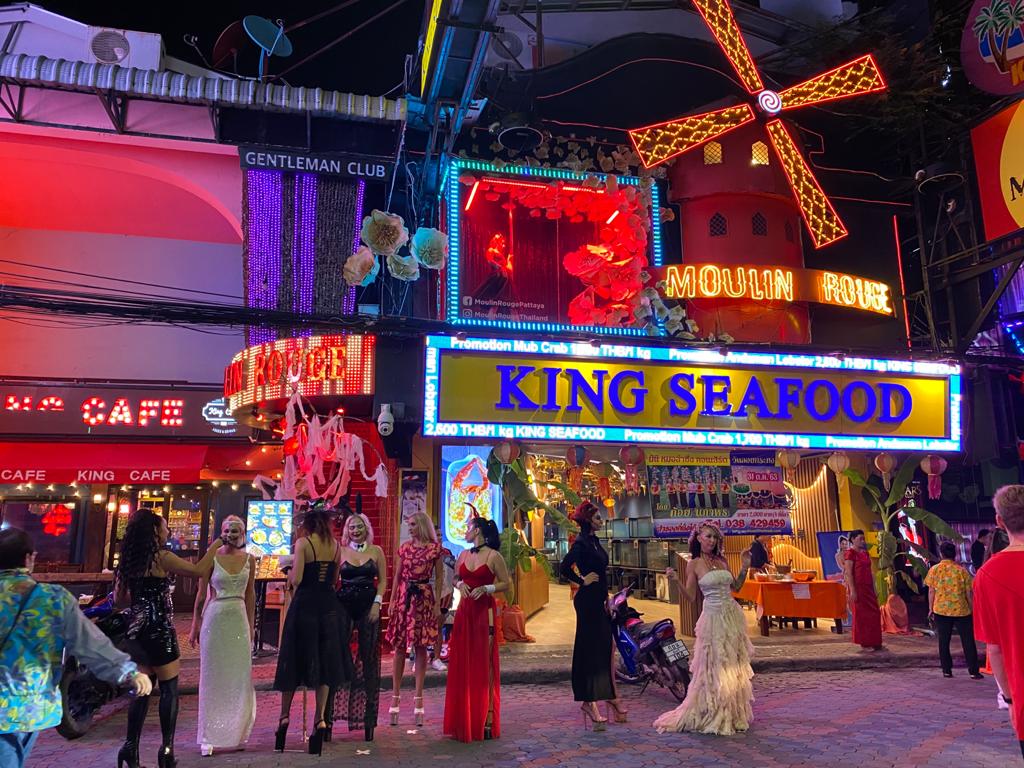
Know the risk signals. Walk-in clinics near Walking Street that tout aggressively outside tend to be lower quality. The clinics named in this guide have published prices and verifiable track records. If someone quotes you significantly under the rates above, ask why. The broader tourist-trap picture is covered in our Pattaya scams guide.
For everything else you need to know before landing, the Pattaya first-timers guide covers cash, getting around, etiquette, and the rest.
FAQ
Is dental work in Pattaya safe?
At the established clinics, yes. Doctor Smile, Dentist @ Beach and PIDC have all treated foreign patients for years and use international-standard equipment and implant brands. Choose a clinic with a published price list and verifiable online reviews, and you’re in good hands.
How much does a dental implant cost in Pattaya?
฿45,000–฿65,000 for a complete implant and zirconia crown, depending on the brand. That’s 55–70% less than the equivalent in New Zealand or Australia. Add two return flights and you’re still ahead for a single implant; for multiple teeth or full-arch work, the savings are significant.
Which hospital should I go to for anything serious?
Bangkok Hospital Pattaya on Sukhumvit Road. It’s the only JCI-accredited hospital in Pattaya, with a cardiac centre, emergency department, and English-speaking doctors throughout.
Do I need two trips for implants?
Yes. Post placement on trip one, crown fitting 3–5 months later on trip two. Allow 5–7 days on the first visit and 3–5 days on the second.
Do I need a special visa for dental treatment?
Most Western visitors are fine on the standard 30-day visa-free entry — a first implant trip runs 5–7 days, and the return visit months later is a separate entry. If you want to extend a single stay, immigration offices in Pattaya can add 30 more days for ฿1,900. For longer treatment, a Medical Tourist Visa (60–90 days) is available; Bangkok Hospital Pattaya can supply the required Letter of Confirmation.
Is Pattaya as good as Bangkok for medical tourism?
For dental, elective work, and health screenings — close enough, and the setting is more relaxed. For very specialised surgery or rare conditions, Bangkok’s main hospitals have more subspecialists. Most visitors find Pattaya a better place to recover than a big city.