

Pattaya for Digital Nomads: Wi-Fi, Coworking and Cost of Living (2026)
Pattaya is a more credible remote-work base than its reputation suggests. AIS fibre at 500 Mbps costs ฿799 a month. Coworking starts at ฿3,000 a month. A decent one-bedroom condo near Jomtien runs ฿10,000–฿14,000. Street food is ฿50–฿70 a plate. The city isn’t trying to be Chiang Mai — it’s louder, more varied, and a lot easier to enjoy outside working hours, which suits some people down to the ground.
The honest trade-off: Pattaya lacks the established nomad community of Chiang Mai. You’ll find individual nomads scattered across the cafés and coworking spaces rather than organised meetup scenes. If you want the social glue of a larger nomad hub, Chiang Mai or Bangkok do that better. If you want a cheaper, warmer base with fast internet and good food where you can mostly just get on with work, Pattaya holds up well.
Quick facts (checked October 2026)
- Internet is fast. AIS fibre at 500 Mbps is ฿799/month; 5G covers the whole city with AIS median mobile speeds around 104 Mbps.
- Coworking starts at ฿250/day. Grindtime CoWorkspace in Pratumnak is the main nomad spot: ฿250 day pass, ฿3,000/month.
- Jomtien is the right neighbourhood. Quieter, cheaper rent than central Pattaya, and most of the reliable café Wi-Fi spots.
- DTV is the right visa for most. 5-year multiple-entry, 180 days per stay, ฿500,000 in savings required.
- All-in monthly costs: ฿38,000–฿55,000 depending on how you live.
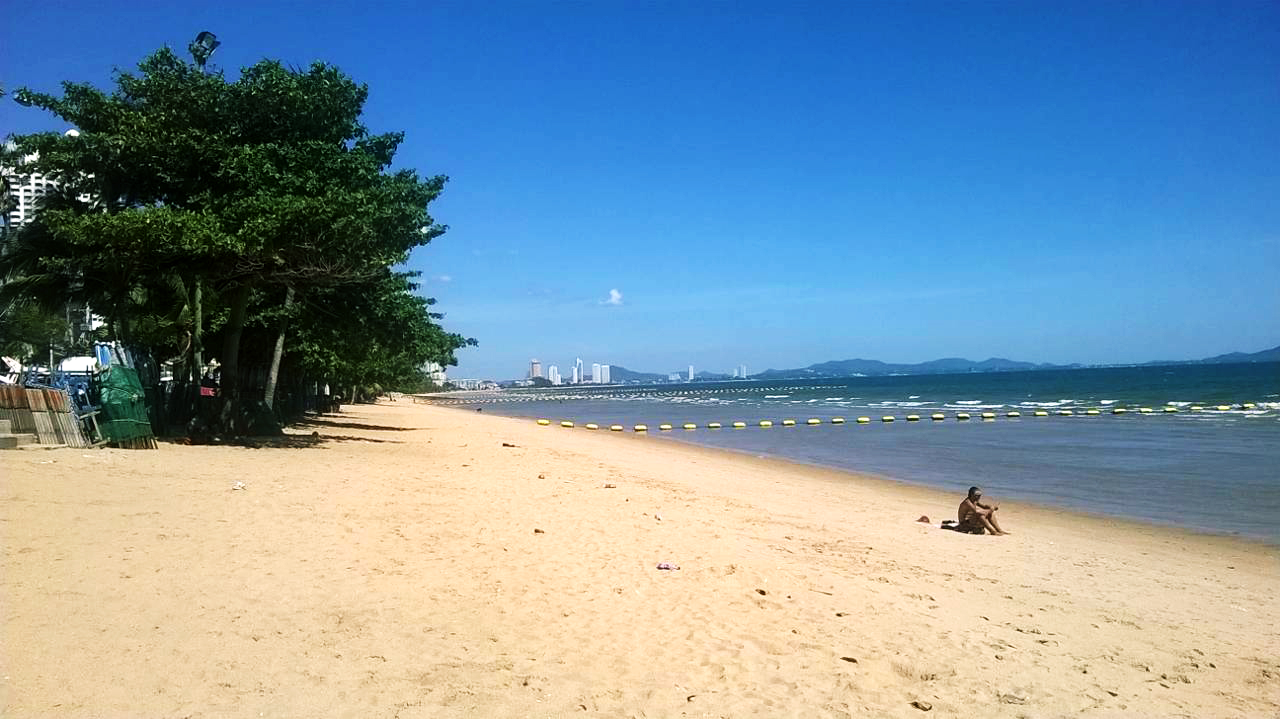
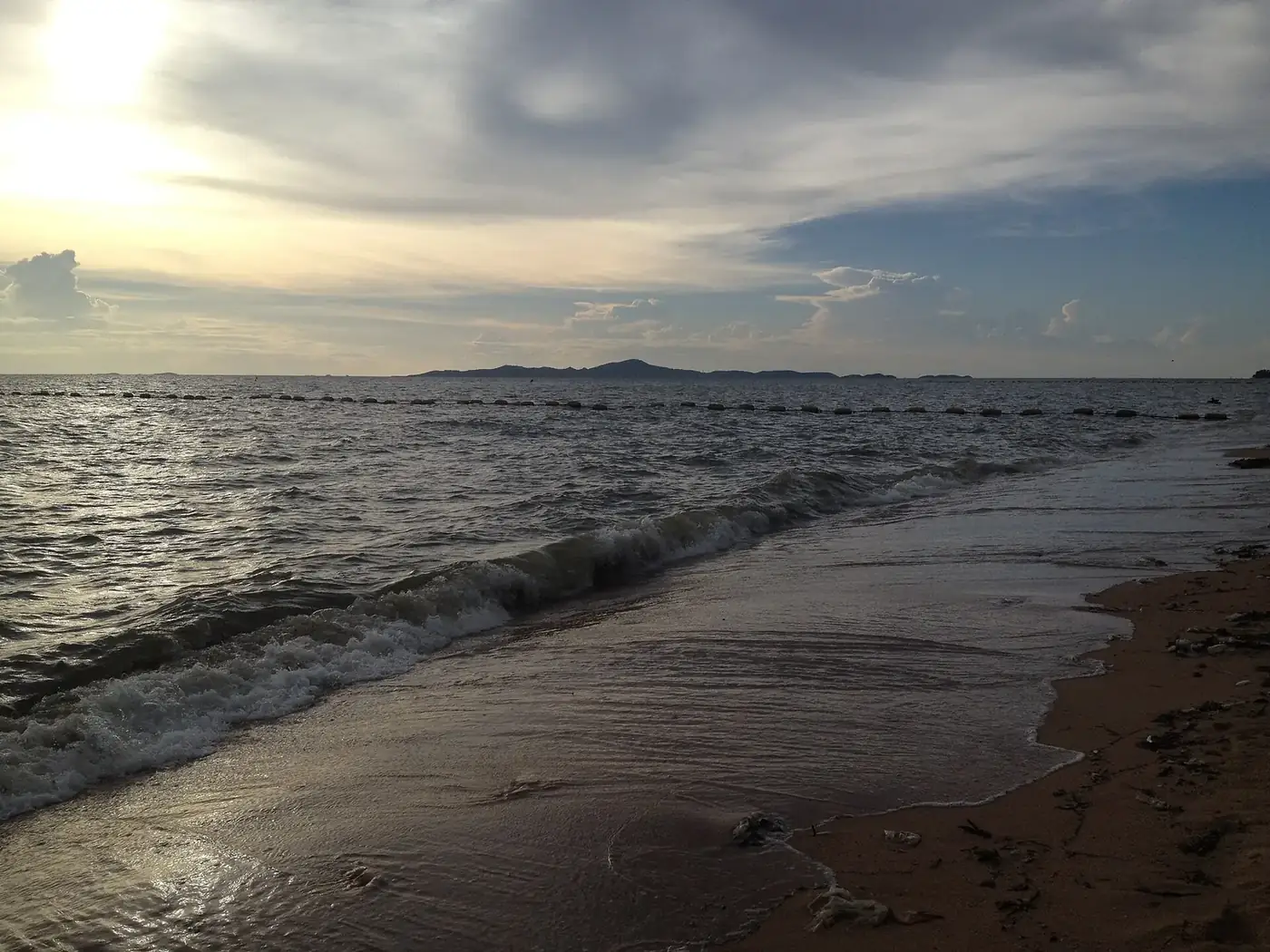
- The beach photo is Jomtien, not Grindtime.
Internet: what you can actually expect
Pattaya has solid infrastructure and no shortage of providers. For a regular stay of a month or more, home fibre is the cleanest option.
AIS Fibre is considered the most reliable provider in Pattaya, with the best uptime record and the strongest international routing. The 500 Mbps symmetric plan runs ฿799/month. The 1 Gbps symmetric plan is ฿1,299/month. Real-world speeds to international servers (US/EU) average 150–300 Mbps on the 500 Mbps plan — fast enough for anything. True Fibre (TrueMove H) is slightly cheaper in some buildings but averages a little lower internationally.
For mobile, all three major providers (AIS, TrueMove H, dtac) have 5G across Pattaya. AIS recorded median download speeds of 104 Mbps in H1 2025 — workable for video calls from a café table when fibre isn’t an option. For getting set up with a local SIM or eSIM from the moment you land, the Pattaya SIM and eSIM guide covers every option with current prices.
Practical tip: if your condo or rental doesn’t include fibre, confirm which provider has building access before you sign anything. AIS and True are the two most likely to already be wired into serviced apartments in Jomtien and Pratumnak.
Coworking spaces
Grindtime CoWorkspace — Pratumnak Soi 4
The main dedicated coworking option in Pattaya. Located in Pratumnak (between Pattaya and Jomtien), it’s a purpose-built space with hot desks, private desks, meeting rooms, and reliable fibre. ฿250/day, ฿1,000/week, ฿3,000/month for a hot desk. The monthly price makes it the cheapest coworking option in the city if you’re committing for a full month. Popular with expats and nomads who want a clear separation between work and their apartment.
Regus — Brighton Grand Hotel, Central Pattaya
More corporate in feel. Hot desks from ฿2,150/month; private offices from ฿5,250/month. Good option if you need meeting rooms with a formal setup for client calls. Less of a community feel than Grindtime.
HUBBA Pattaya
A smaller, newer spot with a networking-first orientation — hosts regular events. Monthly rates run ฿4,000–฿6,000 depending on membership tier. Worth it if the social side matters; check current rates directly as pricing shifts.
If you’re not committing full-time to a desk, Pattaya’s cafés are a genuine alternative for lighter working days — see the best cafés in Pattaya guide for the full breakdown.
Best areas to live and work
| Area | Vibe for nomads | Rent range (1BR) |
|---|---|---|
| Jomtien | Quieter, more cafés, local feel | ฿10,000–฿15,000/month |
| Pratumnak Hill | Residential, close to Grindtime | ฿10,000–฿16,000/month |
| Central Pattaya | Convenient, louder, pricier | ฿13,000–฿20,000/month |
| Naklua (North Pattaya) | Peaceful, further out | ฿8,000–฿13,000/month |
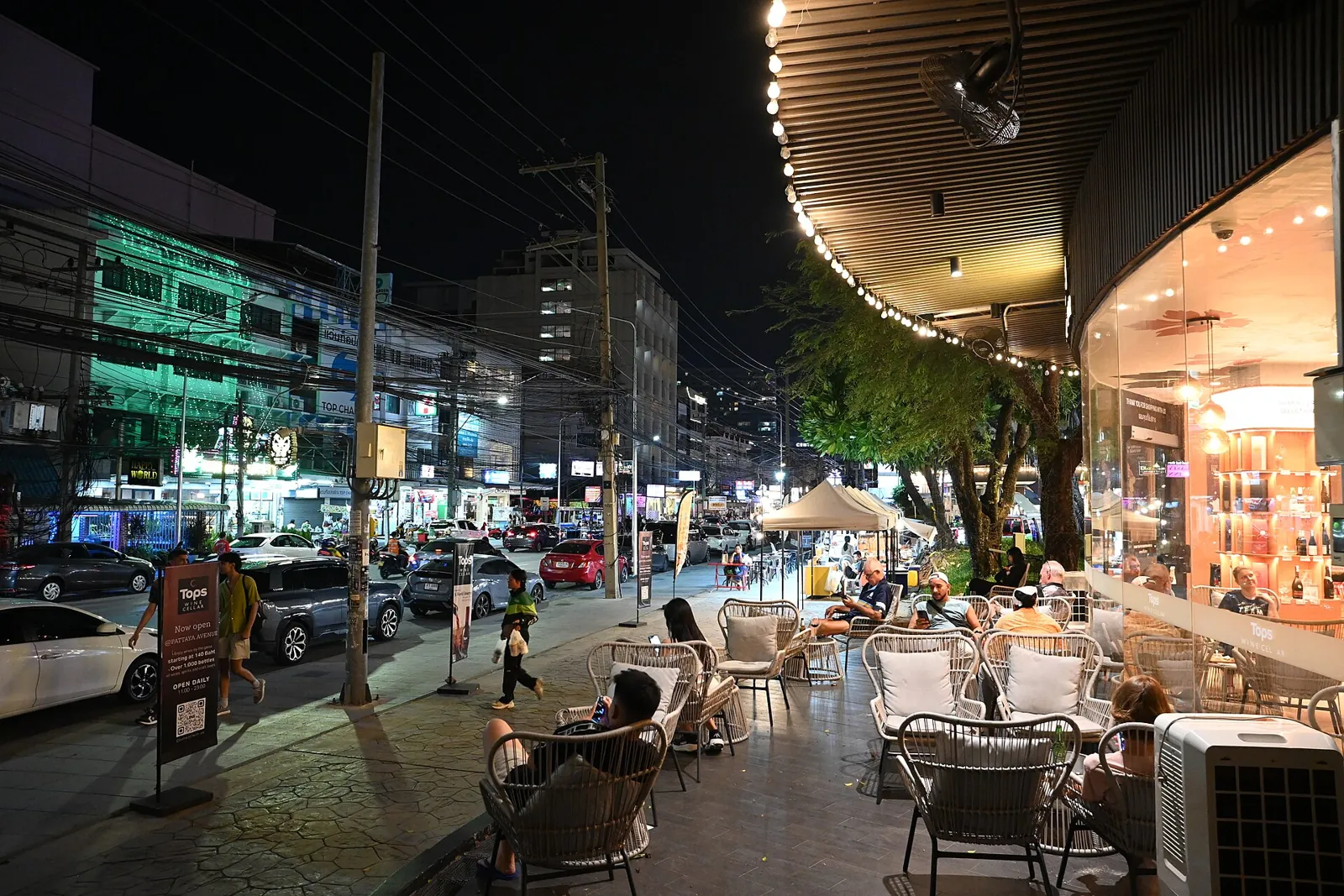
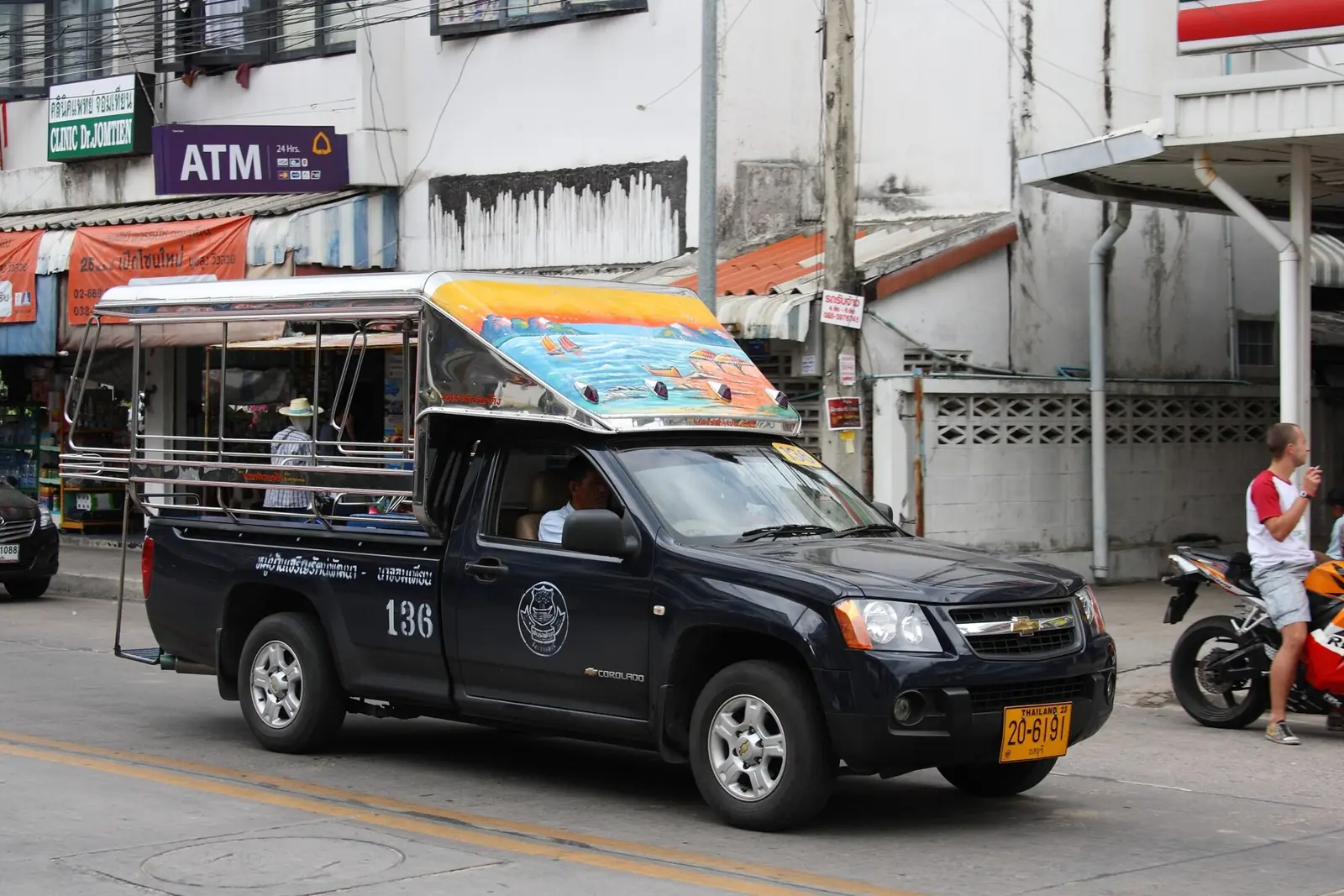
Jomtien is the default recommendation for most nomads. It’s 10–15 minutes from Central Pattaya by baht bus or Grab, the beach is longer and cleaner, and rents run 20–30% cheaper than equivalent Central Pattaya options. The café scene here is more work-oriented — places like Malamute Coffee and Benjamit Coffee Roasters attract laptop workers rather than tourist foot traffic.
Pratumnak Hill makes sense if you plan to use Grindtime regularly — it’s a short walk and the neighbourhood is residential without being isolated. Naklua is the quietest of the four and suits people who want to mostly work in their apartment and come out for food.
The Jomtien Beach guide covers the neighbourhood in full if you’re deciding whether to base yourself there.
Monthly costs: what a nomad actually spends
These are real ranges based on current prices (June 2026), not aspirational minimums.
| Category | Budget | Mid-range |
|---|---|---|
| Rent (1BR condo, Jomtien) | ฿10,000 | ฿14,000 |
| Coworking or café | ฿3,000 | ฿5,000 |
| Food (street food + some restaurants) | ฿6,000 | ฿10,000 |
| Transport (baht bus + Grab) | ฿1,500 | ฿3,000 |
| SIM / mobile data | ฿400 | ฿600 |
| Home internet | ฿799 | ฿1,299 |
| Entertainment + misc | ฿3,000 | ฿7,000 |
| Total | ฿24,699 | ฿40,899 |
Most working nomads land somewhere between ฿35,000–฿55,000 a month once travel, visa admin, and the occasional splurge are factored in. That’s roughly NZD$2,000–$3,200 at current rates — competitive with Chiang Mai, significantly cheaper than Bangkok.
Street food is ฿50–฿70 for a plate of pad kra pao or a bowl of noodles. A Thai restaurant main runs ฿100–฿180. Western food — burgers, pasta, sandwiches — is ฿250–฿500 depending on the venue. The Pattaya budget guide breaks down costs by category if you want more granular numbers before committing.
Visas for long stays
Destination Thailand Visa (DTV)
The right visa for most remote workers. Key facts for 2026:
- 5-year validity, multiple entry
- 180 days per stay, extendable once by another 180 days at Immigration — so up to 360 consecutive days in-country per entry
- Financial requirement: ฿500,000 in savings (bank statements for the past 3 months)
- Work restriction: you can work for foreign employers and foreign clients. Providing services to Thai-based clients without a Thai work permit is prohibited.
- Apply at a Thai consulate before arrival; processing time varies by country
The DTV does not require employment — freelancers and business owners qualify as long as their work is for clients outside Thailand.
Long-Term Resident Visa (LTR)
For high earners who want to plant a real flag. Requires a minimum of USD$80,000 annual income for two consecutive years for the Work-from-Thailand Professional category. Grants 10-year stays, multiple entry, and a 17% flat Thai personal income tax rate on Thai-sourced income. Most nomads don’t qualify or don’t need it — the DTV covers the same use case at lower cost.
Practical note on taxes
Under current 2026 rules, foreign-sourced income is not taxable in Thailand if not remitted in the same tax year it was earned. Amounts remitted over ฿10 million may have tax implications. This is a fast-changing area — confirm the current rules with a Thai tax adviser before making long-term plans based on tax assumptions.
Watch: Living and working in Pattaya and Jomtien
Getting set up: the practical checklist
Before you arrive:
- Get the DTV from your nearest Thai consulate (or confirm your current visa works for remote work)
- Download Grab and Bolt — you’ll need both working from day one
- Buy an eSIM for the flight so you have data at the airport; the SIM guide has current plans
First week in Jomtien:
- Book a day pass at Grindtime to see if it suits you before committing to a monthly
- Sort home fibre with AIS or True (landlords in serviced apartments can usually arrange this; standalone condos take a few days to activate)
- Try the baht bus once for the route — ฿10 to Central Pattaya; know the route before you need it
Money: ATMs charge foreign cards a flat ฿220 fee per withdrawal — take out larger amounts less often. The Pattaya money guide covers exchange booths, tipping norms and the cash-vs-card balance.
FAQ: Pattaya for Digital Nomads
Is Pattaya good for digital nomads?
Yes, if your priorities are low cost, fast internet and warmth rather than a large social nomad scene. Infrastructure is solid, food is cheap, and the visa situation is clear. The nomad community is smaller than Chiang Mai but growing.
What visa should I use?
The DTV (Destination Thailand Visa) for most people: 5-year, 180-day stays, ฿500,000 in savings required. Apply before you arrive. If you earn over USD$80,000/year and want to stay long-term, the LTR visa gives you 10 years.
How fast is the internet?
AIS fibre hits 500 Mbps for ฿799/month. Mobile 5G averages around 104 Mbps. Both are more than enough for remote work. Grindtime CoWorkspace runs dedicated fibre on site.
Which area is best?
Jomtien for most people — cheaper rent, quieter, better cafés for working. Pratumnak if you want to be close to Grindtime. Central Pattaya only if you specifically want walkable nightlife.
What’s the monthly cost?
฿38,000–฿55,000 all-in for a comfortable setup with a decent condo, coworking, and eating out regularly. Budget hard is doable at ฿25,000 but leaves no margin.