
Pattaya Elephant Sanctuary Guide: Ethical Encounters & What to Expect
Several ethical elephant sanctuaries operate within 60–90 minutes of Pattaya. Prices start around $45–55 for a half-day programme, rising to $80–120 for full-day experiences. The best options are centred around Sattahip and the Bang Saen area — they let you walk alongside elephants, feed them, watch them bathe, and help prepare their food, without any riding or performance elements. This guide covers the five best options, what a real visit looks like, and what to avoid.
Quick facts (checked October 2026)
- Half day: about $45–$55. Full day: about $80–$120.
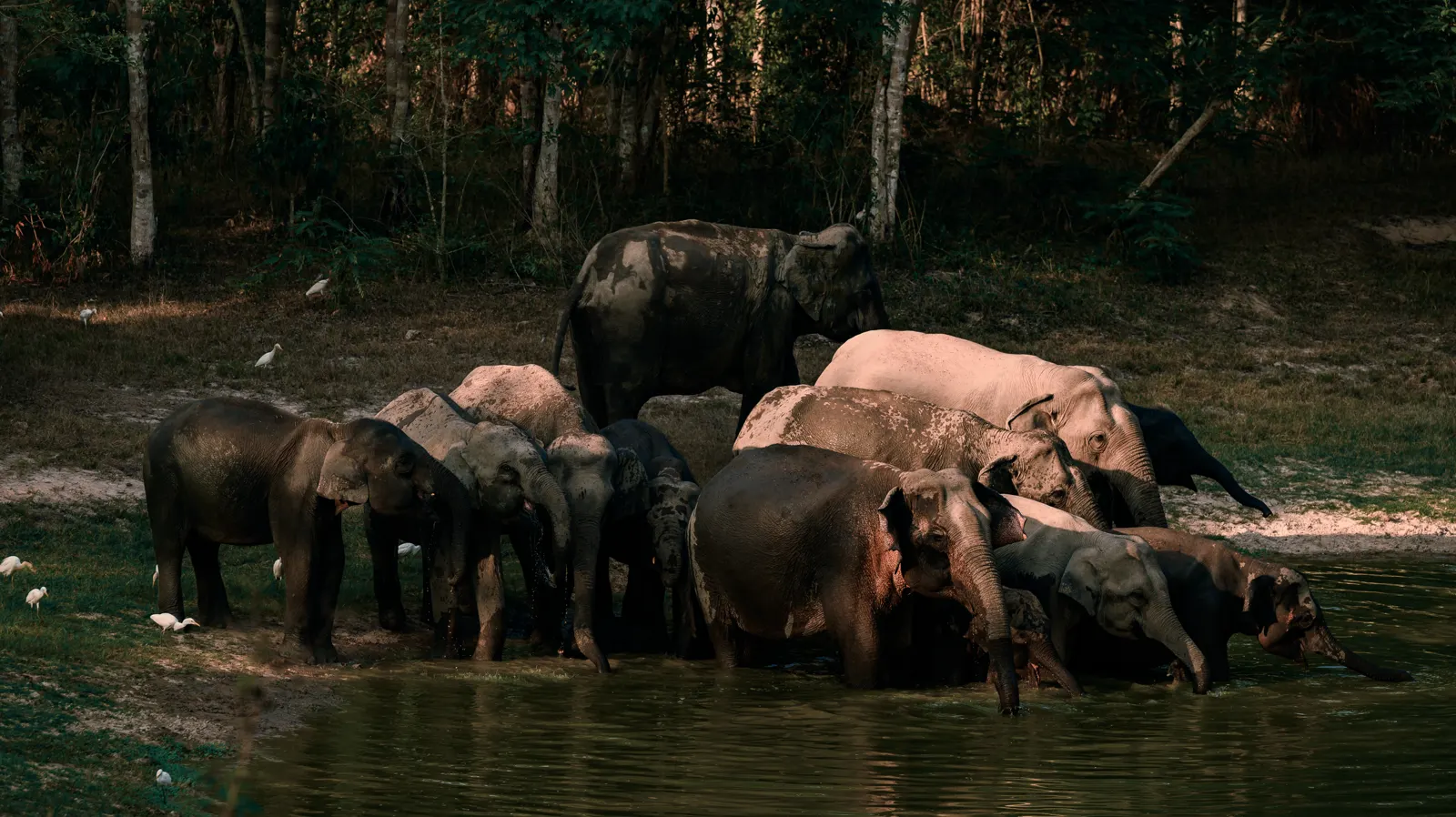
- The elephant photo is Kui Buri National Park, not a Pattaya sanctuary and not a riding show.
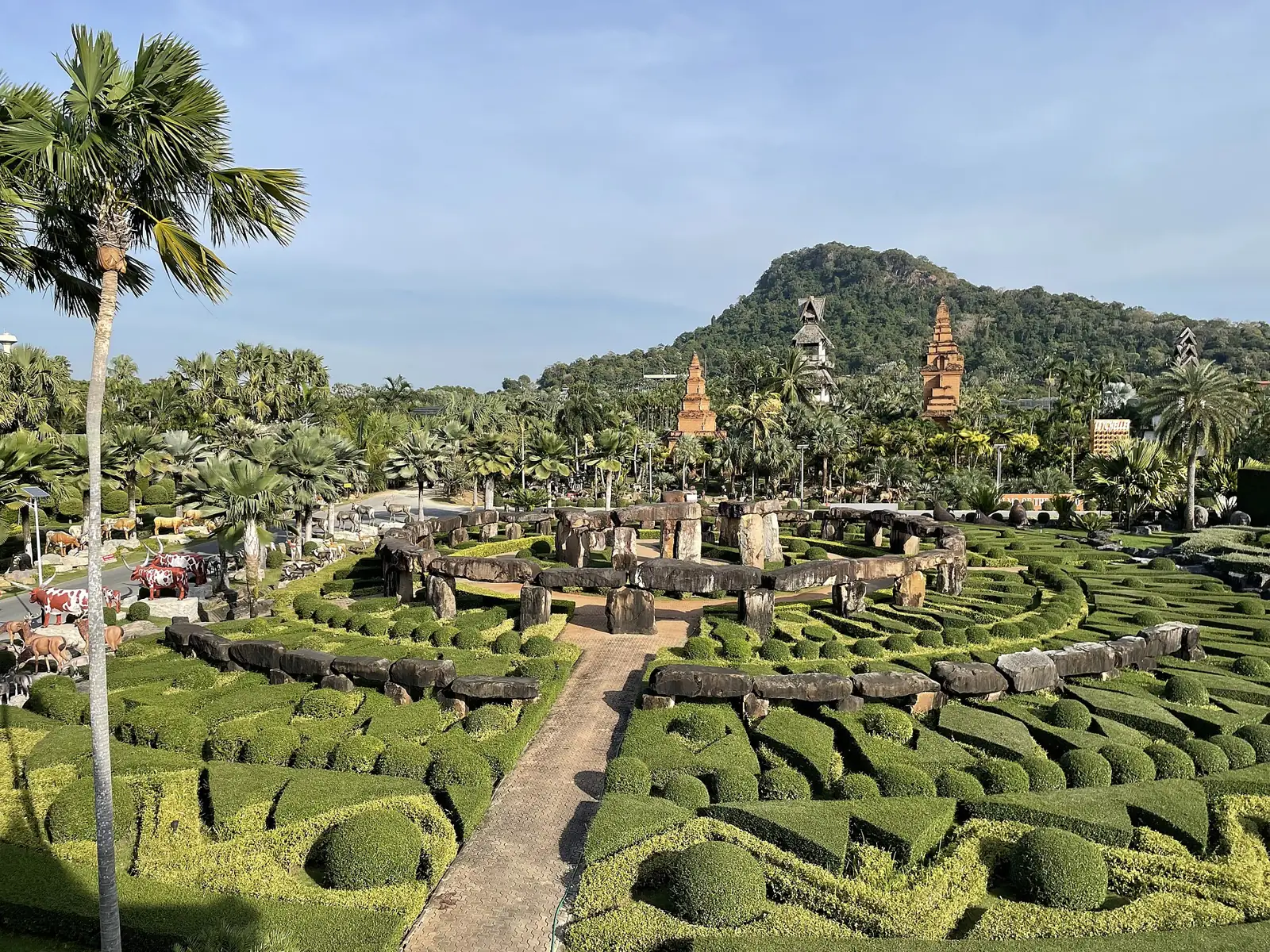
- Nong Nooch is a garden. It is not one of the five sanctuaries below.
Why Ethical Elephant Experiences Matter
Thailand has around 3,800 captive elephants. The majority work in tourism — many in conditions involving bullhook training, chaining, and unnatural performance demands. The industry has been shifting since around 2015, and genuinely ethical sanctuaries have multiplied as visitor expectations changed.
The distinction is simple: a real sanctuary rescues or rehomes elephants, doesn’t train them to perform tricks, doesn’t offer riding, and gives the animals as much unstructured time as their situation allows. Several operations near Pattaya now meet that standard. Some don’t — and they’re easy to spot once you know the red flags.
If you’re planning a day trip from Pattaya, a sanctuary visit is one of the most worthwhile half-days you can spend in the region.
The 5 Best Ethical Elephant Options Near Pattaya
1. Elephant Jungle Sanctuary Pattaya
Location: Sattahip district, Chonburi — approximately 60km south of central Pattaya (about 1 hour by road)
The experience: One of the more established ethical operators in the Pattaya area. The Sattahip site is quieter than their northern Thailand locations, with a smaller herd (typically 6–10 elephants) and a lower visitor cap per session. You spend 3 hours walking with the herd through secondary forest, preparing their food (mostly fruit and sugarcane), hand-feeding, and watching them interact. If timing and weather allow, there’s a mud bath and stream section where the elephants cool off and visitors can join in.
No riding. No bullhook use visible. The mahouts use voice commands and positive reinforcement — the relationship between mahout and elephant is worth watching in itself.
Activities offered:
- Guided walk with free-roaming herd
- Food preparation and hand-feeding
- Mud bath and stream experience
- Educational talk on elephant conservation
Prices: Half-day programme ~$50–65 per person (prices vary seasonally). Full-day (7 hours) $90–110. Includes lunch; transfers from Pattaya available at additional cost ($15 return).
What makes it ethical: No riding, no performance training, rescue and rehoming focus, limited visitor numbers per session (typically 8–12 people), herd-led movement rather than a staged route.
Booking: Direct or via Klook/GetYourGuide. Advance booking essential — sessions fill days ahead.
2. Pattaya Elephant Village
Location: Sukhumvit Road area, approximately 10km east of Pattaya Beach — the closest major elephant operation to the city centre
The experience: Elephant Village has a more complicated history than the purpose-built sanctuaries. It has operated since the 1970s and still runs some riding and performance elements in certain packages, making it a more mixed option than the pure sanctuary model. In recent years it has introduced ethical encounter packages that separate the no-riding, no-performance experience from the traditional tourist programme.
If you book specifically the “Elephant Care” or “Ethical Encounter” programme (and confirm no riding is included), the experience is genuine: time with a smaller group of elephants, feeding them, and observing natural behaviour under mahout supervision.
Activities offered:
- Ethical care programme (no riding, no performance)
- Feeding and bathing
- Overnight jungle camp options
- Photography with elephants in a natural setting
Prices: Ethical care programme ~$45–60 per person for a 2-hour session. Full-day elephant care ~$80–95. Overnight camp packages start around $150 per person.
What makes it ethical (ethical packages only): No riding in care programme, genuine mahout interaction, reasonable space per animal.
Caveat: Verify at booking that your package excludes riding and performance. Elephant Village runs multiple programme types on the same site — be specific when booking.
Distance advantage: At 10km from central Pattaya, it’s the most accessible option on this list. No long transfer required.
3. Boon Lott’s Elephant Sanctuary Day Programme (BLES)
Location: Sukhothai, central Thailand — approximately 5–6 hours north of Pattaya. Not a day trip, but worth including for visitors with longer itineraries.
The experience: BLES is one of Thailand’s most respected rescue sanctuaries. Founded by Katherine Connor in 2005, it operates a genuine rescue model — elephants arrive from the logging and entertainment industries, often with physical or psychological trauma, and are given permanent sanctuary. No performances and no tourist rides. Ever.
The day programme allows a limited number of visitors to spend a day with the herd in forested surroundings: walking, observing natural behaviour, feeding, and hearing individual elephants’ stories from staff.
Activities offered: Full day with rescued herd, guided educational programme, lunch at the sanctuary
Prices: Day programme approximately $120–150 per person
Why it’s on this list: If you’re combining your Pattaya trip with a broader Thailand itinerary and can make it to Sukhothai, BLES is the most authentic sanctuary experience in the country outside of Chiang Mai. The commitment to genuine welfare over visitor entertainment is total.
4. Wildlife Friends Foundation Thailand (WFFT)
Location: Phetchaburi, approximately 180km west of Pattaya (about 2.5–3 hours by road)
The experience: WFFT is a genuine wildlife rescue and rehabilitation centre, not a tourism operation that has retrofitted ethical language onto an existing business. Founded by Dutch vet Edwin Wiek in 2001, it rescues elephants, gibbons, bears, tigers, and other wildlife from illegal trade and abuse situations. Around 16–20 elephants are resident at any given time, most permanently as they cannot be released.
Visitor programmes are structured around the daily care routine: helping prepare food, assisting mahouts with feeding, observing medical checks and enrichment activities. You don’t interact with the elephants the way you would at a tourist sanctuary — WFFT deliberately limits contact to reduce stress on animals with traumatic histories. That’s the point.
Activities offered:
- Volunteer day programme
- Guided sanctuary tour
- Educational presentation on wildlife trafficking
Prices: Day programme approximately $65–80 per person. Longer volunteer programmes (1 week+) available.
Best for: People serious about conservation, not a casual photo opportunity. The experience is more observational and educational than hands-on.
Distance consideration: At 180km west, this is a full-day commitment from Pattaya. Factor in travel time — you’ll want an early start.
5. Elephant Nature Park (Chiang Mai) — The Gold Standard
Location: San Kamphaeng, 60km north of Chiang Mai — roughly 700km from Pattaya
Why it’s on this list: Elephant Nature Park is the sanctuary every ethical elephant experience in Thailand is measured against. Founded by Lek Chailert in the 1990s, it’s the operation that shifted the global conversation around elephant tourism. Over 80 elephants live there, most with complex rescue histories. No riding. No performance. No bullhooks on the property.
The reason to mention it in a Pattaya guide: if you have any flexibility to add a Chiang Mai leg to your Thailand itinerary, ENP is worth restructuring your trip for. A day visit costs approximately $80–95 per person and gives you access to the full herd in a 250-acre river valley setting.
If you’re making Pattaya your only base, the options above are your realistic choices. But if someone asks where the best elephant experience in Thailand is, the honest answer is Chiang Mai.
What a Real Sanctuary Visit Looks Like
Most ethical half-day programmes follow the same basic structure:
Arrival and orientation (20–30 mins): Staff brief you on elephant behaviour, how to approach animals, and what not to do. This talk is worth paying attention to.
Food preparation (20–30 mins): You’ll cut fruit, prepare sugarcane bundles, or make food balls from compressed nutrients. The elephants can smell this from a distance — by the time you walk to the feeding area, they’re already coming to meet you.
Walking and feeding with the herd (60–90 mins): The core of the experience. A small group (usually 8–15 people) walks alongside the herd as they move through the property. Elephants set the pace and direction — a well-run sanctuary doesn’t march them on a fixed route.
Mud bath or water play (30–45 mins): Elephants regulate temperature through mud baths and water. At most sanctuaries this is the most active and visually entertaining part of the visit. You can usually wade in alongside them.
Lunch and debrief (30–45 mins): Most programmes include a Thai lunch. Some include a presentation on the elephants’ individual histories.
Total time: 3–4 hours for a half-day programme.
Watch: Ethical Elephant Sanctuary Experience Explained
What NOT to Do: Red Flags for Unethical Elephant Experiences
Not every operation calling itself a “sanctuary” or “ethical” actually is. These are the red flags that tell you to look elsewhere.
Riding is offered — in any form. Whether it’s bareback, with a seat, for 5 minutes or an hour — elephant riding requires training methods that are harmful. If a venue offers riding, it’s not a sanctuary.
Performing tricks. Painting, football matches, balancing acts, playing instruments — these behaviours are unnatural and require repeated aversive training. Any venue staging these shows is not operating ethically, regardless of what else they claim.
Bullhooks visible on premises. The bullhook (a metal hook and rod used to control elephants through pain threat) is still widely used in Thailand. Its presence directly indicates the training methods in use.
Chaining. Elephants chained to posts for extended periods is standard in unethical operations. Check visitor photos on review sites before booking.
Very low prices. A genuine ethical programme that limits visitor numbers, employs good mahouts, and properly funds elephant care costs money to run. If a “sanctuary experience” is priced at $15–20, something is wrong.
Large group sizes. Ethical sanctuaries cap groups at 8–15 people. If you’re being moved around with 50 others, the experience is not built around the elephants’ welfare.
No background information on the elephants. Legitimate sanctuaries know their animals’ histories and will tell you about them. Vague or evasive answers about where the elephants came from is a warning sign.
If you’re travelling with family, this is worth researching before you book — see our Pattaya family guide for more on choosing age-appropriate activities that align with your values.
Booking: How to Lock In Your Spot
Direct with the Sanctuary
Most ethical operators accept direct bookings via their website. Benefits: no platform fees, sometimes better availability, direct communication with staff about specific needs.
Klook
Klook lists Elephant Jungle Sanctuary Pattaya and several other regional operators. Pricing is usually comparable to direct booking. The review system is useful for reading genuine visitor accounts — filter for recent reviews (within 6 months) as sanctuary quality can change.
GetYourGuide
GetYourGuide has a broader listing of regional elephant experiences with strong search filtering. Use the “without elephant riding” filter to narrow results. Cancellation policies vary by operator — check before booking.
What to Confirm at Booking
- Confirm your specific programme excludes riding and performance
- Ask the maximum group size per session
- Clarify whether transfers from Pattaya are included or cost extra
- Ask what happens if it rains (most programmes continue; some adjust the schedule)
- Check the start time — most half-day programmes begin at 8:00–9:00am
Timing matters: the best time to visit Pattaya overall is November to February, and that applies to sanctuary visits too. Cooler temperatures mean more active elephants and a more comfortable visit.
Cost Comparison
| Sanctuary | Distance from Pattaya | Half-Day Price | Full-Day Price | Riding? |
|---|---|---|---|---|
| Elephant Jungle Sanctuary Pattaya | ~60km (1 hr) | $50–65 | $90–110 | No |
| Pattaya Elephant Village (ethical pkg) | ~10km (15 min) | $45–60 | $80–95 | No (ethical pkg only) |
| WFFT | ~180km (2.5 hrs) | $65–80 | — | No |
| BLES (Sukhothai) | ~500km (5-6 hrs) | — | $120–150 | No |
| Elephant Nature Park (Chiang Mai) | ~700km | — | $80–95 | No |
Prices approximate and vary seasonally. All USD. Check current pricing at time of booking.
For context on budgeting your overall trip, our Pattaya budget guide covers daily spend benchmarks across accommodation, food, and activities.
Combining Your Sanctuary Visit with a Day Trip
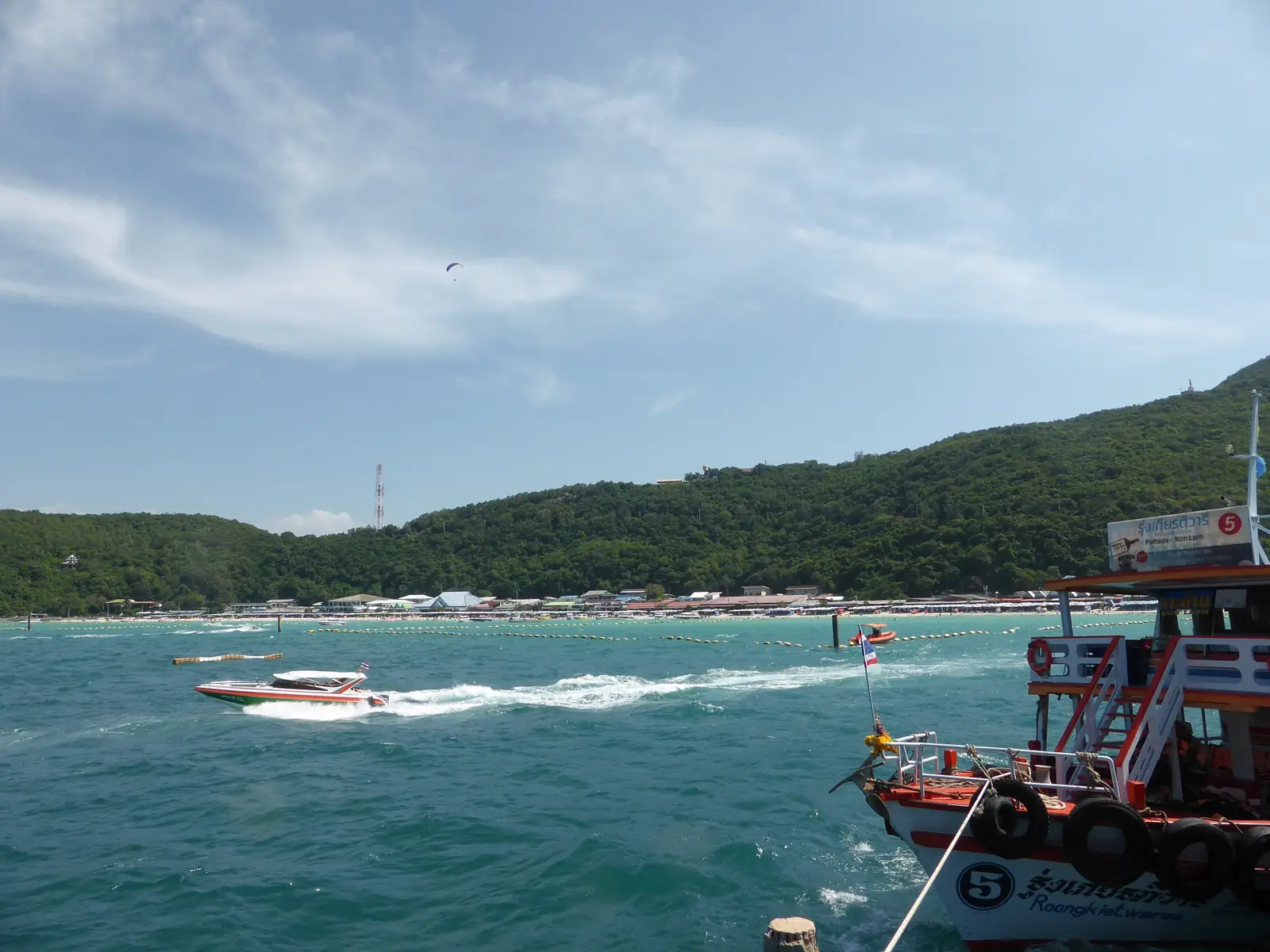
The Sattahip area where Elephant Jungle Sanctuary operates is about 60km south of Pattaya — same direction as some of the best coastal scenery in the region. You can combine a morning sanctuary visit with an afternoon at a quieter beach, or extend toward the Koh Larn island ferry terminal at Bali Hai Pier on your way back.
If you’re interested in other outdoor day trips, the Nong Nooch Tropical Garden is 20km further south of the sanctuary and makes a manageable afternoon stop after a morning elephant programme.
Full-day idea: Early morning sanctuary session (8am–12pm) → lunch in Sattahip → Nong Nooch Tropical Garden (2pm–5pm) → back to Pattaya for dinner. Manageable in a day, worth doing once.
FAQ: Elephant Sanctuaries Near Pattaya
Are there ethical elephant sanctuaries near Pattaya? Yes. Elephant Jungle Sanctuary Pattaya (Sattahip, ~60km south) and Pattaya Elephant Village (10km east, ethical packages only) are the two closest options with no-riding, no-performance programmes. Both run genuine elephant care experiences for small groups.
How much does an ethical elephant experience near Pattaya cost? Half-day programmes run $45–65 per person at the main Pattaya-area operators. Full-day experiences are $80–110. Transfers from central Pattaya add approximately $10–20 if not included. Budget around $70–80 all-in for a half-day including transport.
Can children go to an elephant sanctuary? Most sanctuaries accept children aged 4 and up, but check with the specific operator. Some require children to be a minimum height or age for safety during feeding and walking sections. Well-run sanctuaries with small group sizes work well for families — the educational component lands well with kids.
What’s the difference between a sanctuary and a tourist elephant camp? A sanctuary focuses on the animals’ welfare: no performance training, no riding, no bullhooks, limited visitor contact to reduce stress. A tourist camp is structured around visitor entertainment — tricks, painting, rides — regardless of what welfare language they use in marketing.
How far in advance should I book? At least 3–5 days ahead for most Pattaya-area sanctuaries, especially in high season (November–February). Popular sessions can fill 1–2 weeks out during peak months.